

This article is about a well-known American medical center focused on treating orthopedic and rheumatological diseases. According to US News & World Report, this center has ranked first in orthopedics and second in rheumatology for fourteen years. About the founding and activities of Hospital for Special Surgery (HSS) read at i-manhattan.
Founding
HSS is an academic medical center and research institution that deals with rheumatological and orthopedic diseases. The hospital is located at 535 East 70th Street in Manhattan.
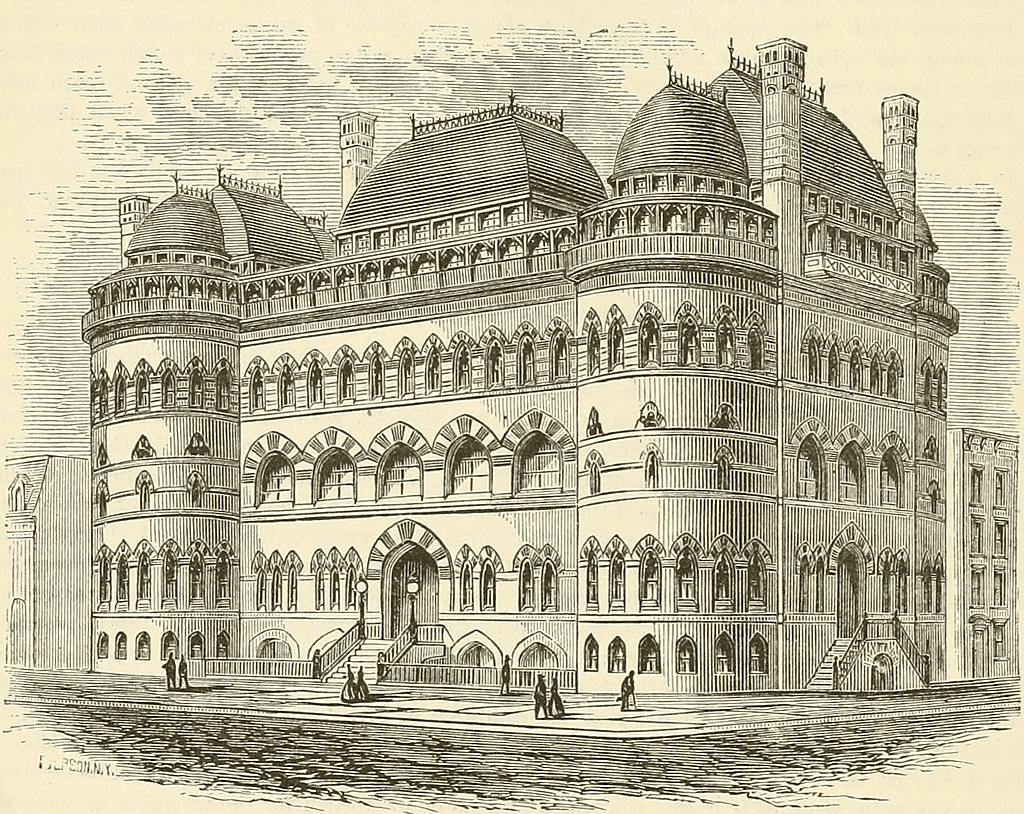
The history of the Hospital for Special Surgery began back in 1863. Then, a group of enthusiasts, J. Knight, R. Hartley and the secretary of the AICP decided to establish the Hospital of the New York Society for the Relief of the Ruptured and Crippled. Initially, the institution was supposed to treat soldiers and injured civilians during the Civil War.
At first, the hospital was located at 97 Second Avenue in the home of Dr. James Knight, who personally served as the surgeon. At that time, the institution had only thirty beds for injured children, while most adults were treated on an outpatient basis. The poor received treatment free of charge, and others paid a modest fee.
In 1870, the institution was relocated to more spacious premises at Lexington Avenue and 42nd Street. It was a four-story building that housed more than two hundred beds. The following year, Dr. V. P. Gibney joined the medical staff and later became the second chief surgeon.
In 1887, the facility created the first orthopedic residency program in the country. The first specialized operating room was opened in 1898. In 1899, a pathology laboratory appeared, and the first X-ray unit was installed in the hospital.
Further work and development
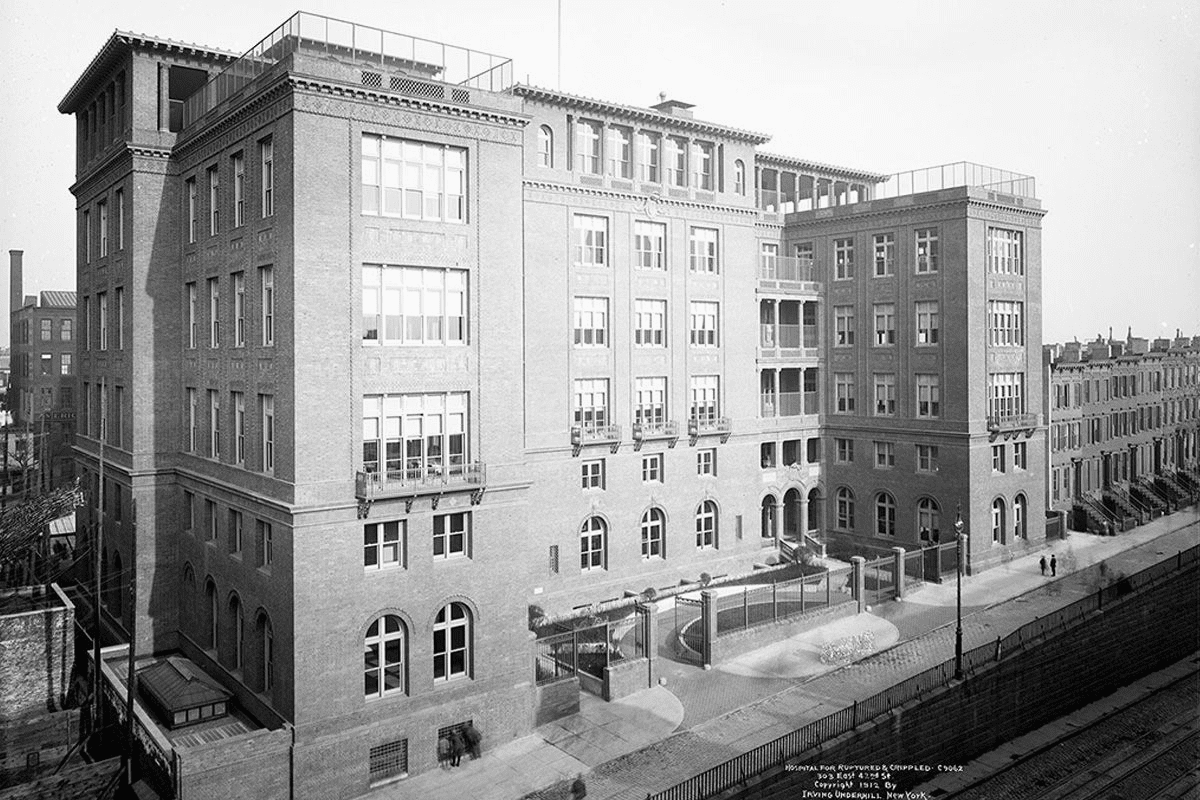
The first inpatient ward for adult women opened in 1903. It is also worth noting that during this period, the hospital played a significant role in combating the polio epidemic. After that, the facility became very popular. Starting in 1912, the institution moved to a six-story building on 42nd Street between First and Second Avenues.
During World War I, the first inpatient men’s department was established here, which helped the wounded. In 1924, the hospital saw the first Physical Therapy Department, followed by the Department of Cccupational Therapy in 1925. Dr. W. B. Coley was appointed as the third head surgeon, who, along with his mentor William Bull, improved the process of treating hernias. Thanks to them, the facility became the leading hernia center in the country. In 1935, Philip D. Wilson became the chief surgeon.
In 1940, the hospital received its modern name: Hospital for Special Surgery. During World War II, HSS continued to operate, though not without difficulties. In 1955, the hospital moved to its current location. That same year, surgeon Wilson retired and was succeeded by Dr. T. Campbell Thompson. In 1974, the first successful surgery on the replacement of the knee joint took place at HSS.
In 1980, the hospital underwent significant expansion. The number of operating rooms was doubled. Separate areas for general joint surgeries, a Pediatric Rheumatology Department and more were added. In 1988, the National Institutes of Health designated HSS as a Multipurpose Arthritis and Musculoskeletal Diseases Center. Five years later, the institution received the status of a specialized research center.
In 1990, Weiland became the chief surgeon. In 1991, new outpatient operating theaters and a post-surgical care unit were opened. That same year, a Department of Physiatry appeared. In 2015, the AIM Laboratory for Foot and Ankle Research was introduced there. During the COVID-19 pandemic, HSS provided urgent medical assistance to those in need. Since 2023, B. Kelly has been serving as the chief surgeon, as well as the director general and president of the institution.