
The medical system has always been a crucial part of a country’s infrastructure, as the health and lives of its people depend on it. Access to first aid, the organization of necessary surgeries, and consultations with medical specialists are all vital for every individual. The state plays a foundational role in developing quality healthcare in each city and state. Read more on i-manhattan.
In the future, medicine will remain indispensable for diagnosing and addressing health issues with precision and detail. The need for advancements in healthcare has long been recognized, with governments establishing new medical facilities, improving existing ones, and individuals dedicating their lives to inventing state-of-the-art technologies of their time. A similar effort was undertaken by the New York Academy of Medicine, whose history is detailed below.
Founding of the Academy in the 19th Century
The New York Academy of Medicine was founded in 1847 in Manhattan, New York City. It was focused on advancing and improving the medical system not only in New York City and State but throughout the country. The Academy worked on various issues, including narcotics addiction and its consequences, child health, maternal mortality, and many others. Over time, the Academy grew into an organization of significant influence.
The idea to establish this important medical institution arose from public initiative. A year before its official opening, a meeting of city doctors was held at the Lyceum of Natural History. Over several hours, they discussed the need for a dedicated organization to advance and modernize contemporary medicine. After drafting a charter and regulations, the initiative was supported by 132 founding members on January 6, 1847.
A Campaign for Global Change and Reform
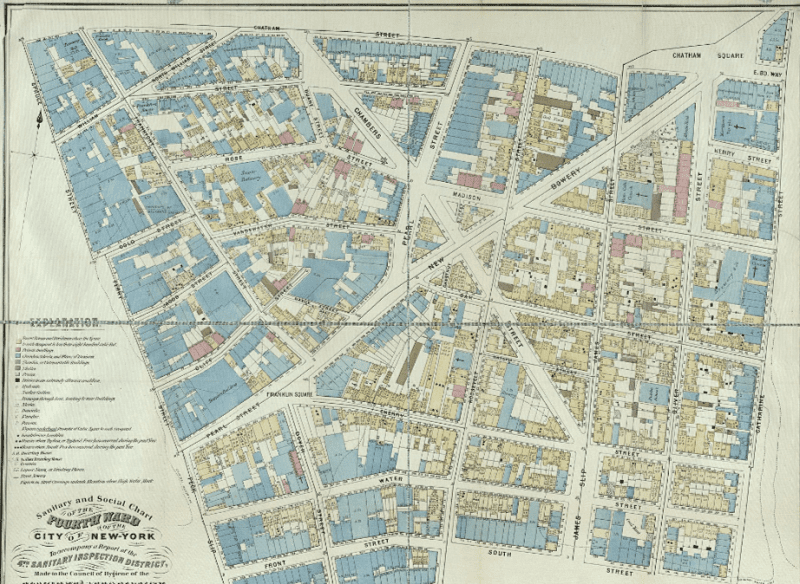
In 1861, the New York Academy of Medicine began its campaign for sweeping changes and reforms. The first health laws for the city’s population were developed during this period. This process was heavily influenced by sanitation statistics and reports from 1865, as well as the establishment of a new medical body—the Metropolitan Board of Health. The latter eventually evolved into the New York City Department of Health and Mental Hygiene, a leading model for public health professionals nationwide.
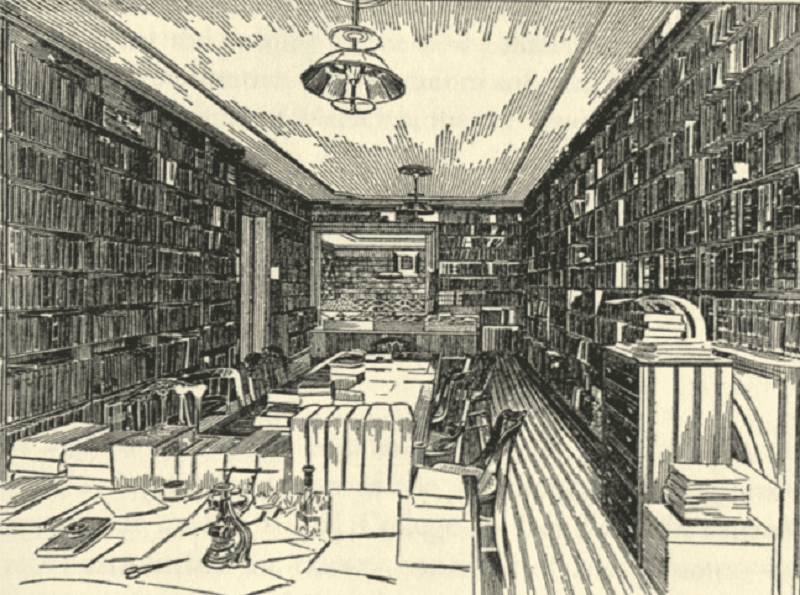
In 1875, the need for a larger space became apparent. The existing building lacked room for a proper meeting hall and a local library housing important documents, reports, and medical laws. That year, a townhouse and adjacent property were purchased at 12 West 31st Street. Following the relocation and official opening on May 20, the Academy resumed its work.
Significant Milestones
The years 1878 and 1880 were notable in the Academy’s history. In 1878, a meeting addressed the local library, with some proposing it be made publicly accessible. With the Academy’s support, the library became the city’s first and only public medical library. In 1880, a close vote during an election added Dr. Jacobi as a new member, defeating his opponent by just one vote.
Expansion of the Academy
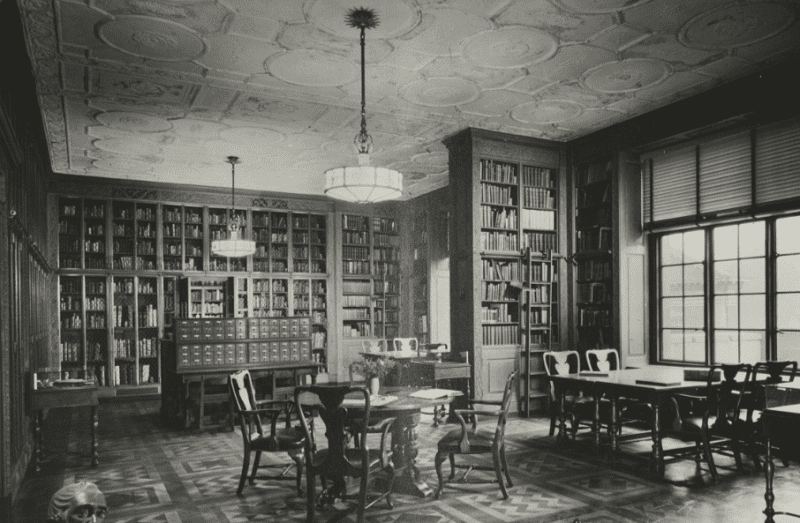
In subsequent years, the Academy underwent significant physical and operational expansion. In 1890, plans were drawn up for a second building, designed by prominent American architect R.H. Robertson. This marked a shift, as previous facilities were acquired rather than purpose-built for the Academy.
Operationally, the Academy revived its journal in 1925, which had previously ceased publication in the 1860s. Renamed the Journal of Urban Health in 1997, the publication no longer focused solely on Academy-related content but continued to address public health issues.
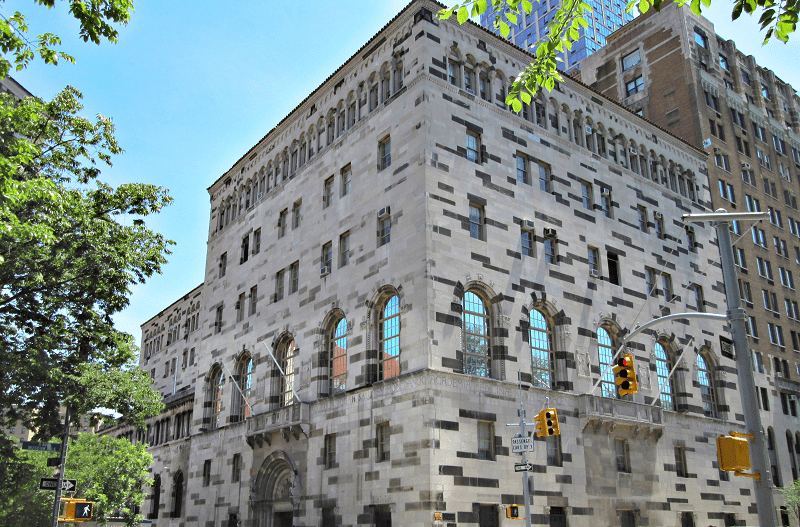
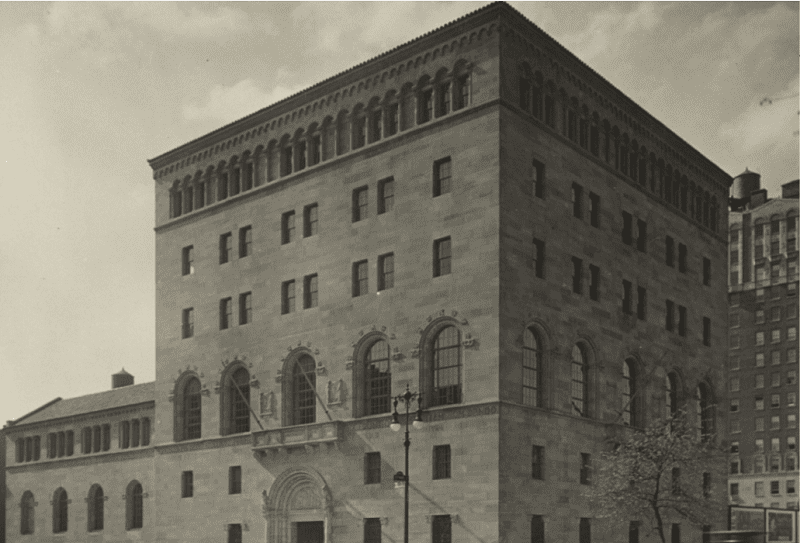
A new building for the Academy opened in November 1926 at the corner of 103rd Street and Fifth Avenue. The project was managed by the esteemed architectural firm York and Sawyer, with funding from the Carnegie Corporation. By 1926, the Academy owned three buildings, solidifying its presence and influence.
Achievements of the Academy
Under Dr. Iago Galdston’s leadership, the Academy emphasized public health education. Radio programs on WABC highlighted the importance of health preservation, with special attention given to maternal and infant health during the 1930s.
The Academy’s open-access library preserves unique medical documents and historical discoveries, providing valuable resources for both professionals and the public.
In 1979, the Academy launched the “Growing Healthy” program, educating elementary school children on health topics. Supported by the New York City Department of Education and private sponsors, the initiative remains a cornerstone of community health education.
A Modern Institution
Through the 20th and 21st centuries, the Academy has focused on advancing urban health. With state-of-the-art laboratories and research centers, the New York Academy of Medicine continues to evolve into a modern medical institution dedicated to improving public health.