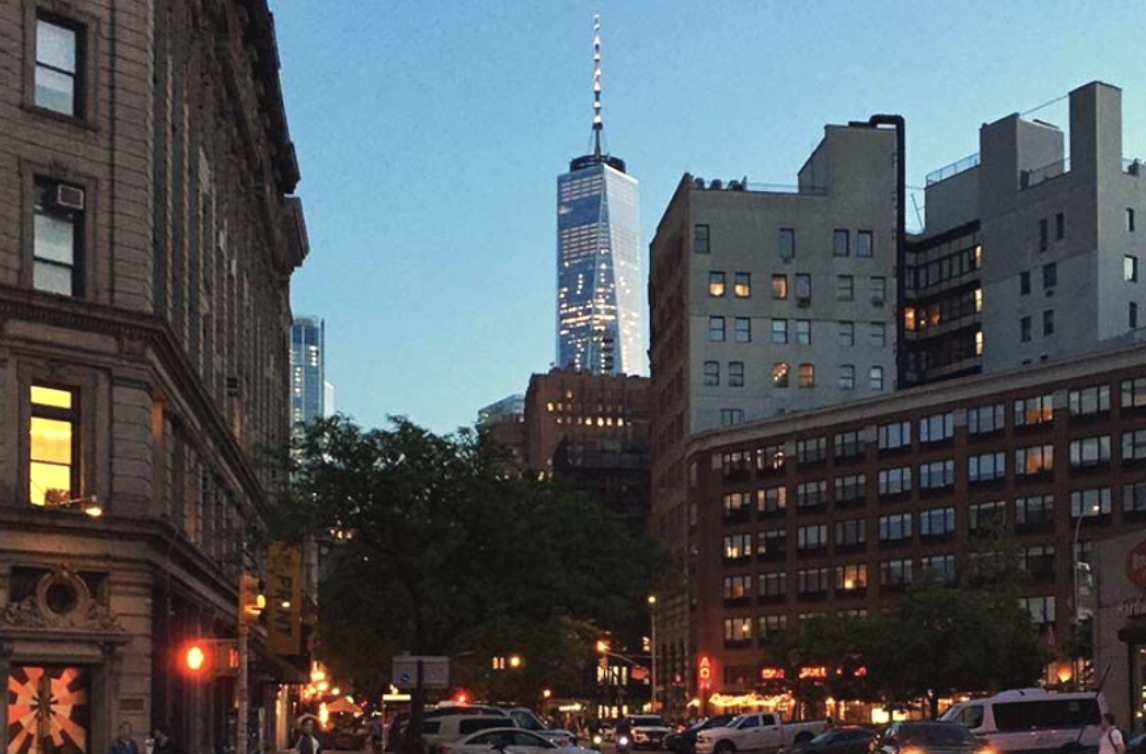

New York City itself feels like a giant movie set, but the true heart of independent cinema beats in Lower Manhattan. Iconic TriBeCa is a neighborhood that transformed from an industrial wasteland into the indie film capital of the world. For cinephiles globally, this location is forever linked to the legendary film festival of the same name, which revived the cultural pulse of Downtown Manhattan.
In this guide on i-manhattan.com, we have curated everything you need for the perfect cinematic itinerary: from the history of atmospheric screening rooms running 35mm film to answers to tourists’ frequent geographical questions. Additionally, we’ve put together practical tips on choosing a comfortable hotel and the best restaurants to help you plan your perfect cultural getaway in Manhattan’s TriBeCa.
The Heart of Independent Cinema: Locating TriBeCa on the Manhattan Map
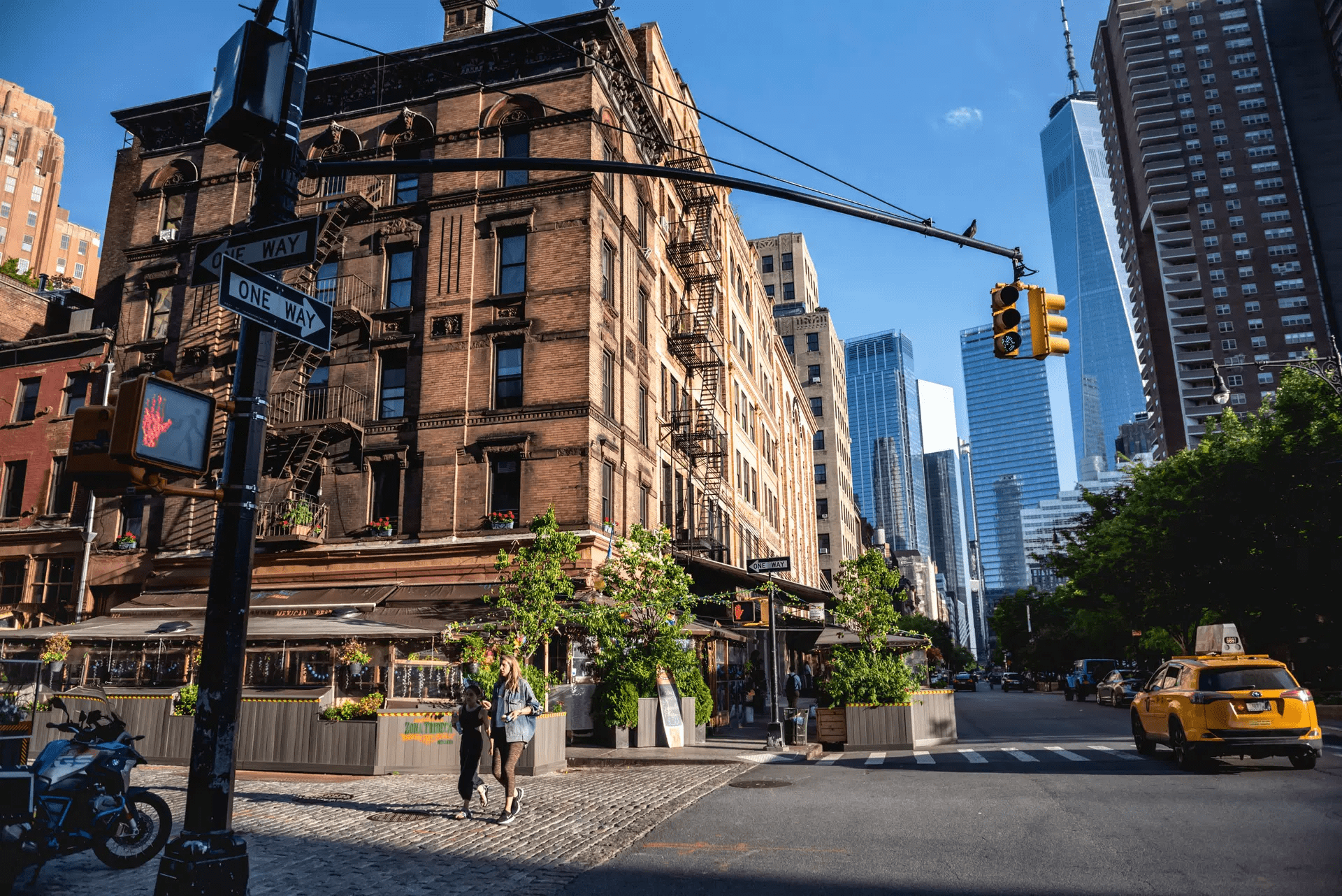
When planning a movie-centric route through New York, tourists often ask: where exactly is TriBeCa in Manhattan? The clue lies right in the name of this iconic neighborhood. Geographically, it is an acronym for “Triangle Below Canal Street.”
This naturally leads to another common question: is TriBeCa located in Lower Manhattan? Yes, absolutely. The neighborhood has distinct boundaries: Canal Street to the north, Chambers Street and West Street to the south, and the Hudson River with its famous waterfront park to the west.
However, TriBeCa wasn’t always a bohemian mecca of luxury real estate and red carpets. In the early 19th century, it was a quiet residential quarter filled with Federal and Greek Revival-style homes. Everything changed dramatically after the Civil War. From the 1860s to the early 1910s, shipping shifted to the Hudson River, and the massive Washington Market food hub expanded, rapidly industrializing the area. The original residential buildings were torn down to make way for massive commercial warehouses and spacious lofts.
The real cultural revolution happened in the 1970s. Local real estate agents and urban planners coined the catchy name “Tribeca,” hoping to replicate the successful transformation of neighboring SoHo. The strategy worked flawlessly. Artists and musicians—including pioneering multimedia artist Laurie Anderson and sculptor Richard Serra—began flooding into the cheap, spacious industrial warehouses. They converted these industrial spaces into live-work studios, triggering an irreversible gentrification process.
Today, this historic district blends a modern luxury lifestyle with a beautifully preserved industrial charm. The soaring ceilings, brick arches, and authentic cast-iron columns of former warehouses now serve as the perfect backdrop for high-end apartments, trendy galleries, and, of course, the atmospheric venues that host the world’s premier indie releases every year.
The Festival That Revived the Neighborhood: The Tribeca Film Festival Phenomenon
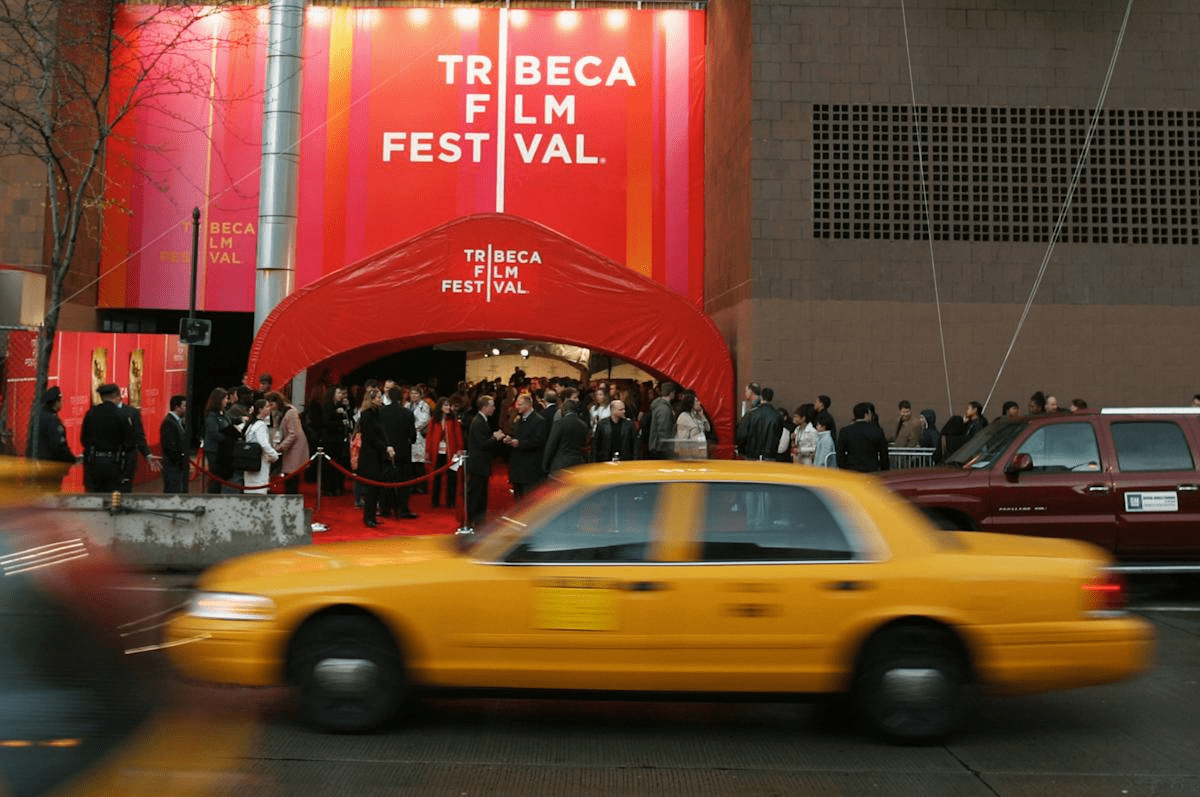
The history of modern TriBeCa is inseparable from the event that radically changed the destiny of Lower Manhattan. The famous Tribeca Film Festival was founded by Robert De Niro, Jane Rosenthal, and Craig Hatkoff in 2002 as an emotional and economic response to the September 11 attacks.
The founders’ primary goal went far beyond screening independent films. In De Niro’s own words, the festival was created to “bring about the economic and cultural revitalization of Lower Manhattan” following the devastation. The atmosphere during the initial planning phases in late 2001 was eerie and surreal. In an interview with Billboard, Jane Rosenthal recalled:
“It was about bringing people back downtown, giving our neighbors new memories. You’d look out the window and Ground Zero was still smoldering.”
Against a backdrop of hovering helicopters and non-stop fire sirens, the organizers hosted “dinner downtowns”—special dinners in restaurants across Chinatown, Little Italy, and TriBeCa itself—to support local businesses and save them from closing down.
The inaugural festival in May 2002 opened with a surprise concert by David Bowie, setting the bar incredibly high. Since then, TriBeCa has become a symbol of resilience and cultural rebirth, with the likes of Elton John, Aretha Franklin, Paul McCartney, and Taylor Swift later gracing festival stages for free concerts.
Today, it is a massive international film forum that showcases over 100 independent films annually, along with music documentaries and exclusive Q&A sessions with legendary filmmakers. In June 2026, the event loudly celebrated its 25th anniversary. The milestone season kicked off with a Questlove documentary about the band Earth, Wind & Fire, while the absolute highlight of the program was the 50th-anniversary celebration of the legendary film *Taxi Driver*, featuring Robert De Niro, Martin Scorsese, and Jodie Foster.
The film festival provided a massive boost to the local economy. A sprawling infrastructure has grown around the entertainment, tourism, and hospitality industries. For many young, ambitious professionals, breaking into this creative cluster is objectively the best way to find a job in Manhattan.
Historic Movie Theaters and Atmospheric Rooms for Indie Film Lovers
The magic of Manhattan’s TriBeCa lies in the fact that the love of cinema isn’t confined to the two weeks of the festival. The neighborhood remains a magnet for film buffs year-round, thanks to unique venues that are a far cry from cookie-cutter commercial multiplexes. A sense of intimacy rules here; instead of popcorn blockbusters, screens come alive with genuine arthouse films and auteur projects from independent directors.
The true crown jewel of the neighborhood is the boutique Roxy Cinema New York, located at 2 Avenue of the Americas. This venue transports audiences straight back to Hollywood’s Golden Age with its exquisite 1920s Art Deco-inspired retro design. The theater specializes in independent premieres, cult classics, and rare archival prints. True cinephiles flock here for a unique experience: watching films projected on original 35mm film. Cozy seating and regular Q&As with filmmakers offer the ultimate deep dive into cinematic art.
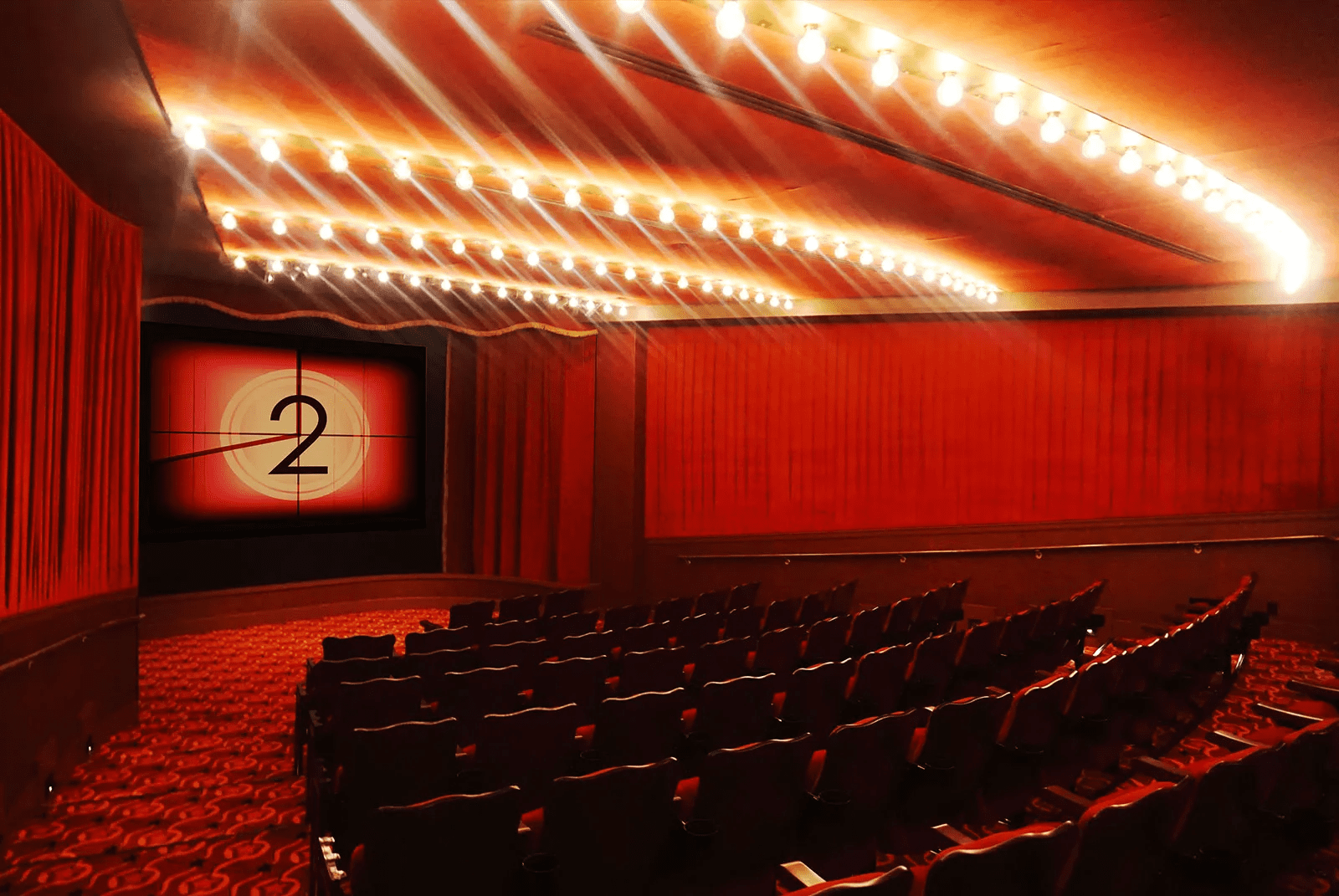
Just a short walk from TriBeCa, right on the border of Greenwich Village and SoHo (209 West Houston Street), sits another legend: Film Forum. Operating continuously since 1970, this non-profit cinema is a sacred institution for die-hard movie lovers. In 2024, Time Out ranked it third in its global list of the world’s best movie theaters. Film Forum is celebrated above all for screening independent and foreign gems you won’t find anywhere else in the city.
A Practical Guide for Cinephiles: Where to Stay and Dine After the Premiere
When planning a trip for the film festival or just a cultural weekend dedicated to indie film, finding comfortable accommodations in advance is key. For travelers who want to be right in the thick of the action but want to avoid the 24/7 chaos of Times Square, the Sheraton Tribeca Manhattan is an ideal choice. Located on Canal Street right at the edge of the neighborhood, it offers instant access to the subway and key festival venues. From here, you can easily walk to the charming streets of SoHo, the National 9/11 Memorial, and most Downtown theaters, all while enjoying stunning city views from your room.
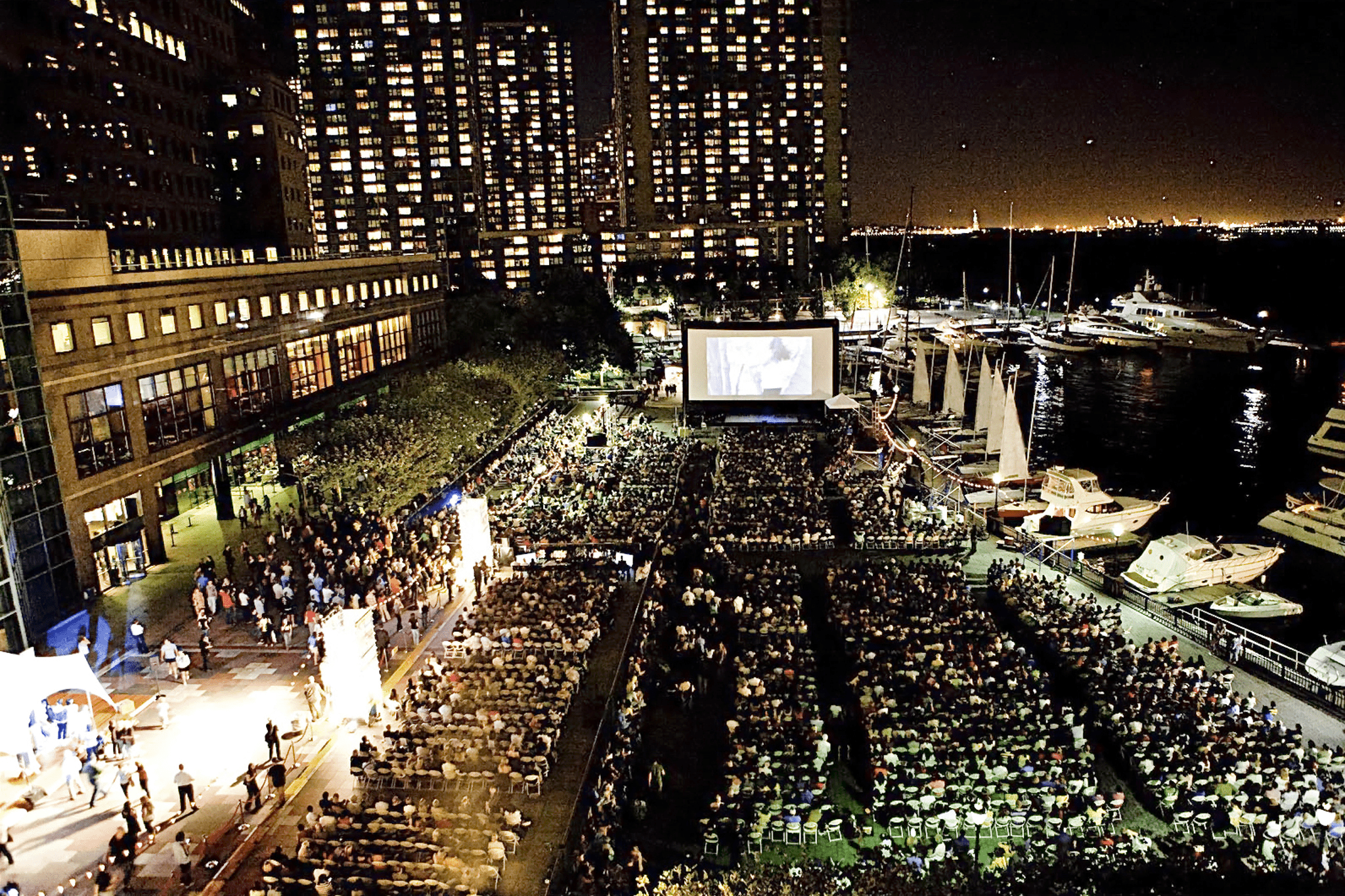
After a full day of catching premieres, it’s only natural to want to unpack what you’ve seen over a glass of wine. When choosing where to eat in TriBeCa after an evening screening, look for spots with a cinematic history of their own. The Odeon is an absolute classic—a historic brasserie and meeting ground for directors, actors, and local bohemians that still captures the authentic spirit of old New York. If you are craving Italian, book a table at Locanda Verde inside The Greenwich Hotel; the restaurant is closely tied to Robert De Niro’s inner circle and is a favorite haunt for the festival’s star-studded guests.
For a more upscale and romantic dinner, Scalini Fedeli is a perfect fit, renowned for its warm atmosphere and flawless classic dishes. If you prefer a completely laid-back vibe after spending hours in a dark theater, head over to City Vineyard at Pier 26 to enjoy a drink right on the water.