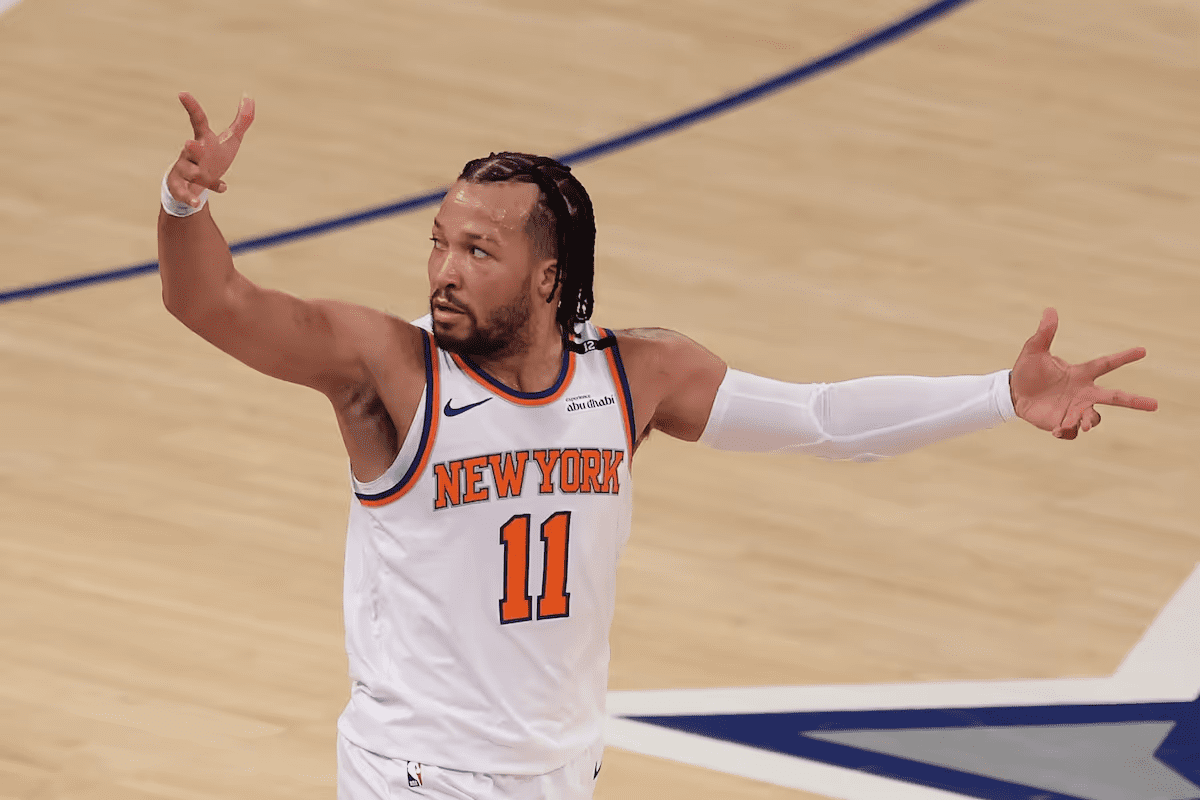

There is another constant sound in Manhattan—the roar of the crowd at Madison Square Garden when the New York Knicks take the court. The history of this team is the history of the city: ambitious, nervous, sometimes painful, but always loud. From the post-war seasons of the 20th century to the playoffs in the 21st, the Knicks have experienced triumphs, long years of turbulence, management errors, and new relaunches. Read more on i-manhattan.com.
Critics claim it is a club of the past or a brand without trophies. But if you break down the facts, numbers, and context, the picture becomes more complete: the Manhattan team influenced the NBA’s style, shaped the city’s cultural code, and eventually became a title contender once again. Let’s look at the highlights.
Birth of a Manhattan Club and the First Finals (1946–1970)
The history of the New York Knicks started in 1946, when professional basketball in the US was still seeking its own model of existence. The league was called the Basketball Association of America, tickets were cheap, and television was only just beginning to influence sports. But New York was already thinking big. The team from Manhattan became one of the foundations of the future NBA—an important fact often lost behind romantic stories about later championships.
The Knicks finished their first nine seasons with a winning record. For a young league, this was a sign of stability, and for a major market, proof of ambition. In 1951, 1952, and 1953, the club reached the NBA Finals three times in a row. A championship didn’t happen then, but the very fact of three consecutive finals in the early era is a serious argument in discussions about the franchise’s status. Not every current powerhouse can boast such stability at the start of its history.
Madison Square Garden deserves a separate mention. The arena in Manhattan quickly turned into a symbol of city basketball. In the 1950s, the image of the professional game as a spectacle—with packed stands, journalistic attention, and status—was formed right here. For the NBA, it was a strategic asset: the league gained a hub in the media heart of the country.
Another important touch was style. The early Knicks bet on discipline and collective interaction. In times when basketball lacked modern athleticism, organization and tempo control were decisive. Even then, the Manhattan team demonstrated what would today be called “structured basketball”—minimum chaos, maximum system. This approach would become the foundation for future successes in the 70s.
And here it is worth debunking a popular myth. One often hears that before the championships of the 1970s, the Knicks were an average club. In reality, in the 40s–60s, they were part of the league’s stable core. Yes, without a title. Yes, with painful defeats in the finals. But it was during this period that their character was formed.
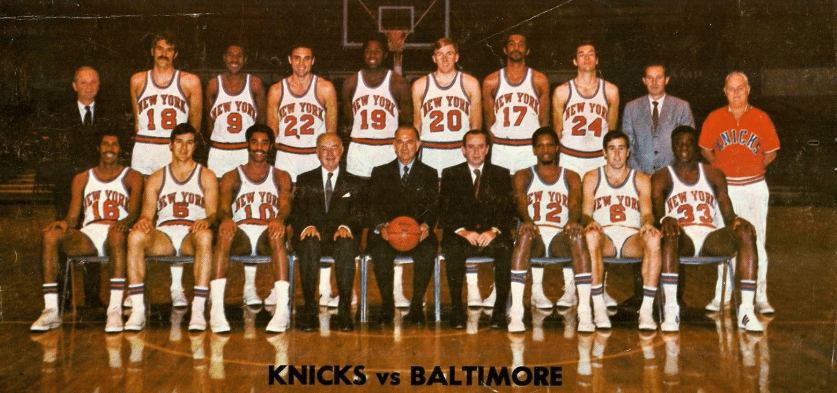
By the end of the 60s, the puzzle began to come together. Players who would later become franchise symbols appeared on the roster, and the coaching staff gained a clear vision. The Manhattan team no longer looked just like a tournament participant—it was preparing for a breakthrough.
The Golden Years of Knicks History: Championships That Set the Standard (1970–1973)
There is another important point often lost behind beautiful legends about Willis Reed walking out of the tunnel. The championship Knicks were not a physically dominant machine like the future Lakers of the 80s or Bulls of the 90s. Their advantage lay in game control. The team from Manhattan, especially under coach Red Holzman, deliberately slowed down the pace, minimized turnovers, and forced the opponent to play positional basketball.
In the 1970 Finals, the Knicks bet on stretching the defense through dynamic ball movement—this reduced the number of Lakers attacks through Chamberlain under the basket. And in 1973, Holzman effectively outplayed the opponent at the level of roster depth—the Manhattan team had more players capable of consistently scoring points, while the opponent depended on a few leaders.
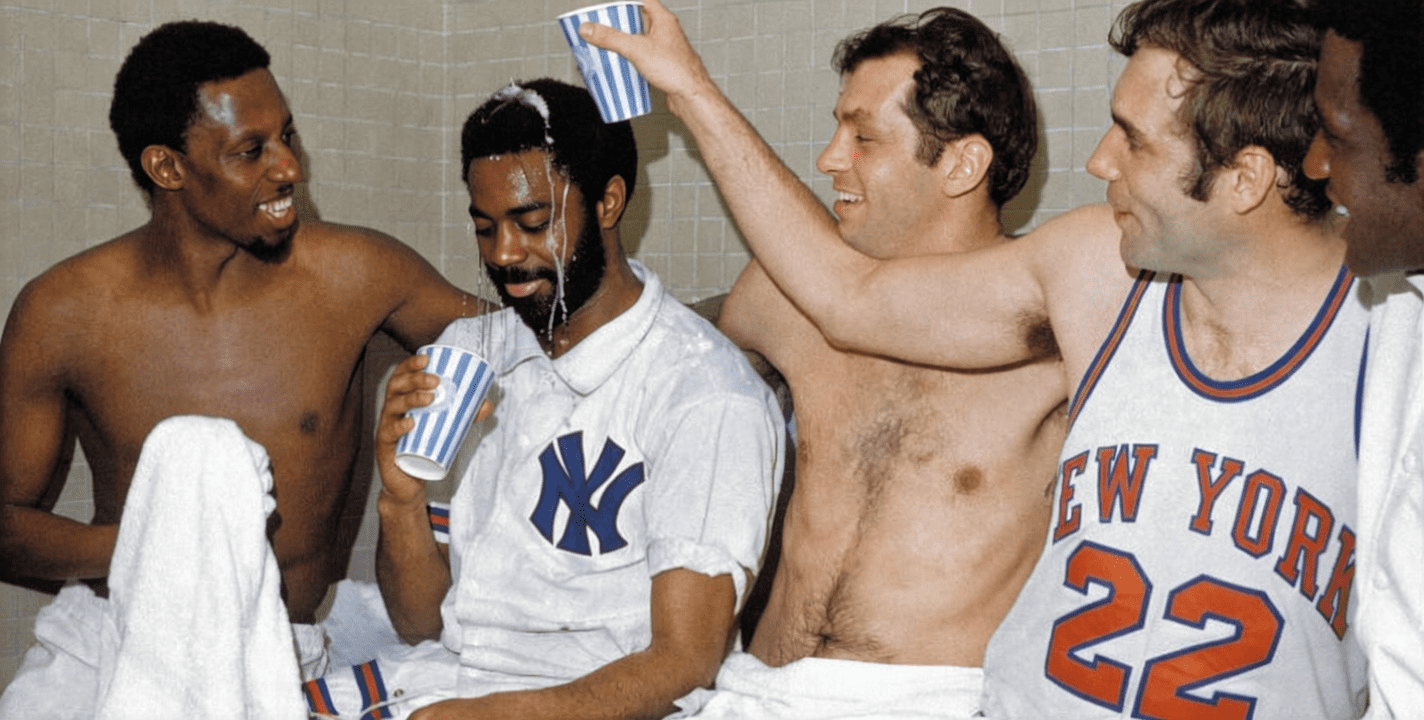
Back then, the Knicks often won the rebounding battle on the boards and made better use of mid-range shots. This was critically important because the three-point line did not yet exist. That is why the era of 1970–1973 became golden. The reasons were strategy, systematic play, and roster depth, which outweighed big names.
The 1990s: On the Brink of Triumph
If the 70s gave Manhattan championship calm, the 90s were marked by… struggle. The Knicks of that era were tough, stubborn, and maximally uncomfortable for opponents. For them, winning was more important than being liked by the audience.
At the center of it all was Patrick Ewing. The center from Jamaica, the face of the franchise for a decade, the player who kept the team in the Eastern Conference elite. But it is important to understand: these Knicks were not built around the romance of a single star. Their style was defense, contact, slow pace, and control of the paint. Under coach Pat Riley, the Manhattan team turned into a symbol of the physical basketball of the 1990s.
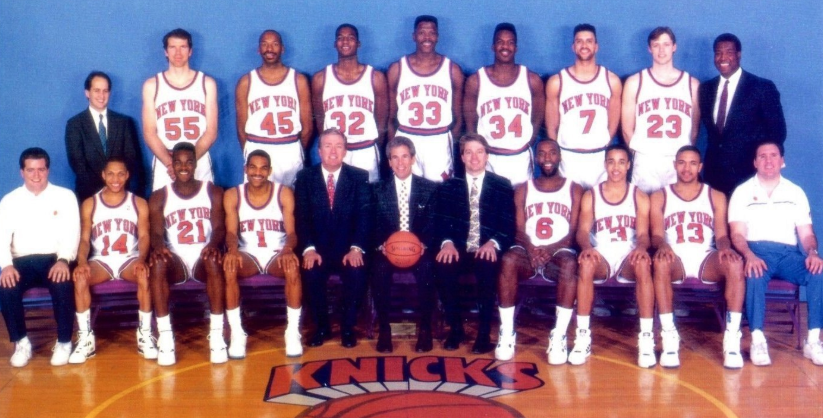
Series against Michael Jordan’s Chicago Bulls were a constant pain, but at the same time an opportunity to grow. The Knicks were among the few who really complicated life for the dynasty from Chicago. And the rivalry with the Indiana Pacers and Reggie Miller resembled a theatrical performance altogether.
The culmination was the 1994 NBA Finals against the Houston Rockets. The series went to a seventh game. The score difference was tight, every mistake critical. The Knicks lost, and that defeat still hurts Manhattan. Five years later, in 1999, the team reached the finals again—from the eighth seed, which was a sensation in itself. But the title slipped away again.
It is not worth claiming that the Knicks of that time played primitively. The team had one of the most powerful defensive lines, rebounded well, and sometimes slowed the pace to a minimum. In the 90s playoffs, this gave an advantage—series turned into chess matches where every possession could be decisive.
Crisis and Turbulence: Difficult Years for the New York Knicks (2000–2019)
After the emotional 90s, the history of the New York Knicks changed mood sharply. The team from Manhattan seemed to lose its internal balance—results fluctuated, coaches changed, development strategy was constantly corrected. The club entered the 21st century with the reputation of a big brand, but without a stable sports model.
The problem lay not only in the roster. Frequent management changes meant different philosophies—from attempts to assemble stars through loud transfers to sharp rebuilds with an emphasis on youth. This meant a lack of a system, without which no one lasts long in the modern NBA.
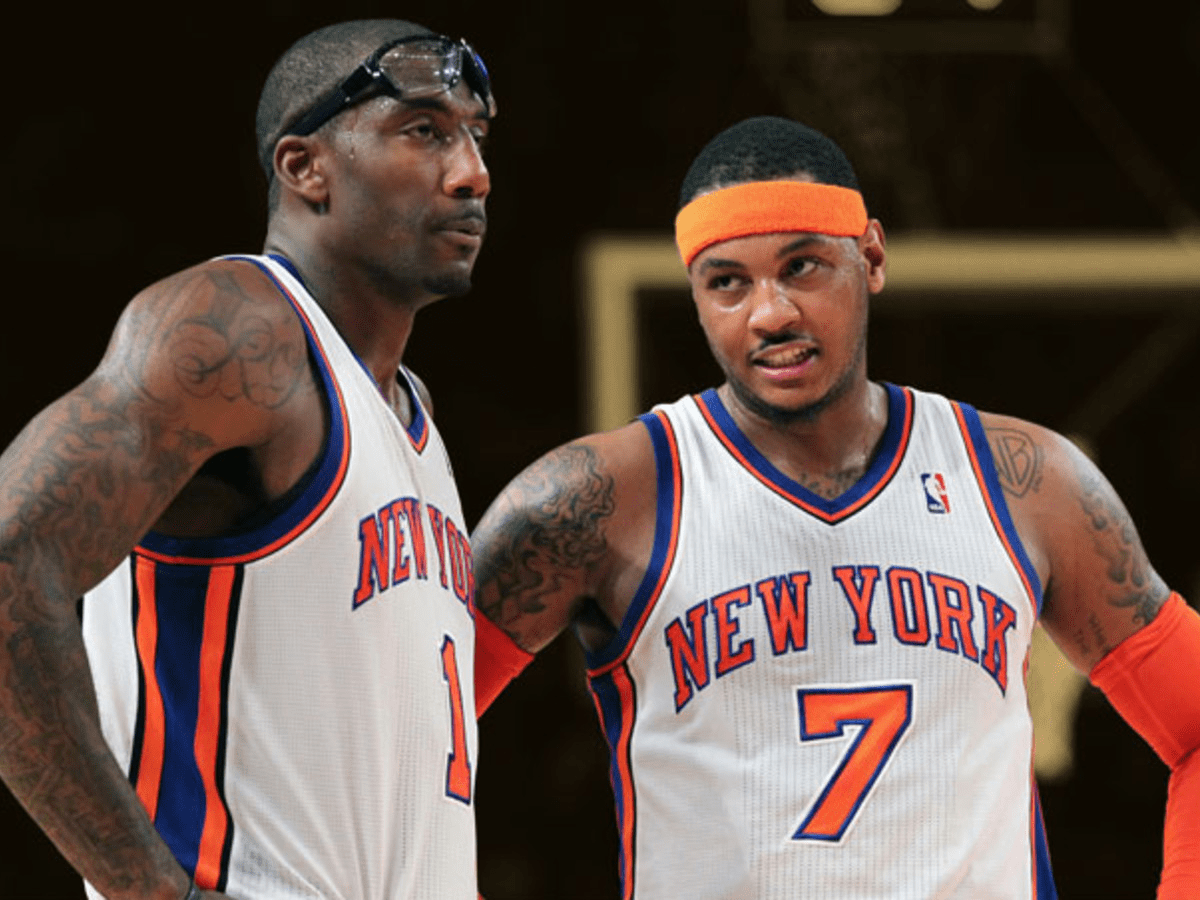
A brief light at the end of the tunnel appeared in the early 2010s. The arrival of Carmelo Anthony returned interest and hope. The 2012–2013 season—54 wins in the regular season, the second round of the playoffs—became the best in a long period. It seemed then that the Manhattan team was finally finding a new foothold.
But the foundation proved shaky. Big veteran contracts, limited salary cap flexibility, instability in developing young players—all this held back progress. And yet, even in these difficult years, the club from Manhattan remained in the spotlight. Games in New York consistently gathered high TV ratings, tickets sold, the brand held its ground.
Eventually, the approach to business changed. Betting on big names became a thing of the past; it was replaced by an emphasis on patience, development, and smart work with the draft and contracts.
A New Chapter: Return to the Fight for Big Goals
The first half of the 2020s became much better for the Knicks than the previous period. The team from Manhattan stabilized management, began to use draft assets wisely, and build the roster around players who fit the chosen model. Regular playoff appearances, progress in defense, and tempo control returned the club to the ranks of real contenders for the Eastern Conference Finals—not for a short time, but for the long haul.
Is this enough to raise a trophy over Manhattan again? In the modern NBA, details decide everything—rotation depth, leader health, accuracy of management decisions. But for the first time in a long while, the New York Knicks look like a team that has a clear plan to achieve its goal.