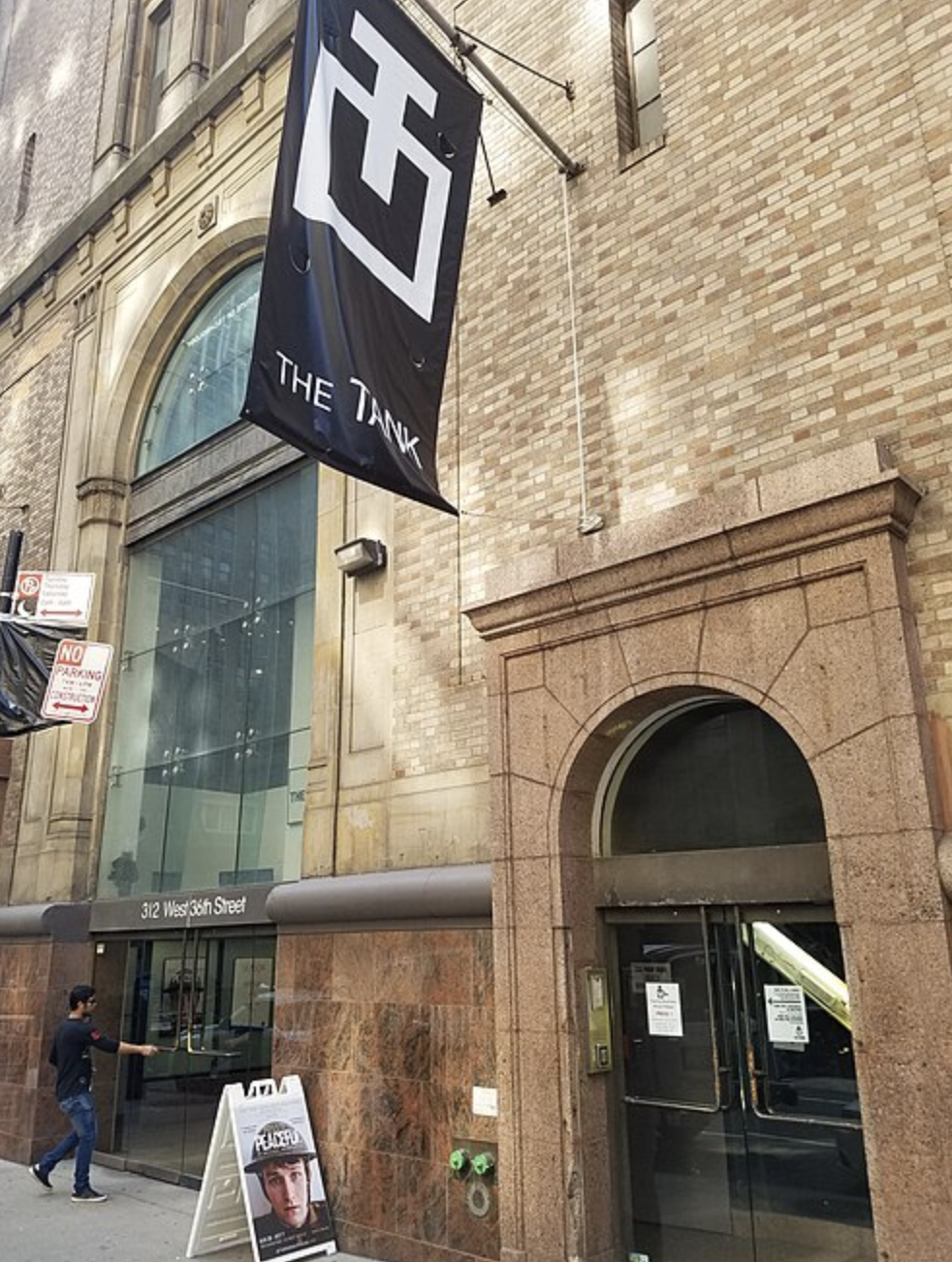

New York’s true theatrical revolution didn’t begin under crystal chandeliers. It sparked to life in cramped coffeehouses, garages, and damp basements. This was the exact birthplace of the Off-Off-Broadway phenomenon. When box-office success on major stages began to overshadow the art itself, rebels and dreamers took their craft underground. They performed on makeshift stages built from milk crates, free from censorship, snooty critics, and ticket-sale pressures. As we explore Manhattan’s culture at i-manhattan.com, we decided to look at this unique movement not as a dusty archival playbill, but as a living guide to the spirit of independent art. It proves one simple truth: true theater requires nothing more than an open door, a couple of spotlights, and the courage to take a risk.
Breaking the Rules: Why New York Needed Another “Off”
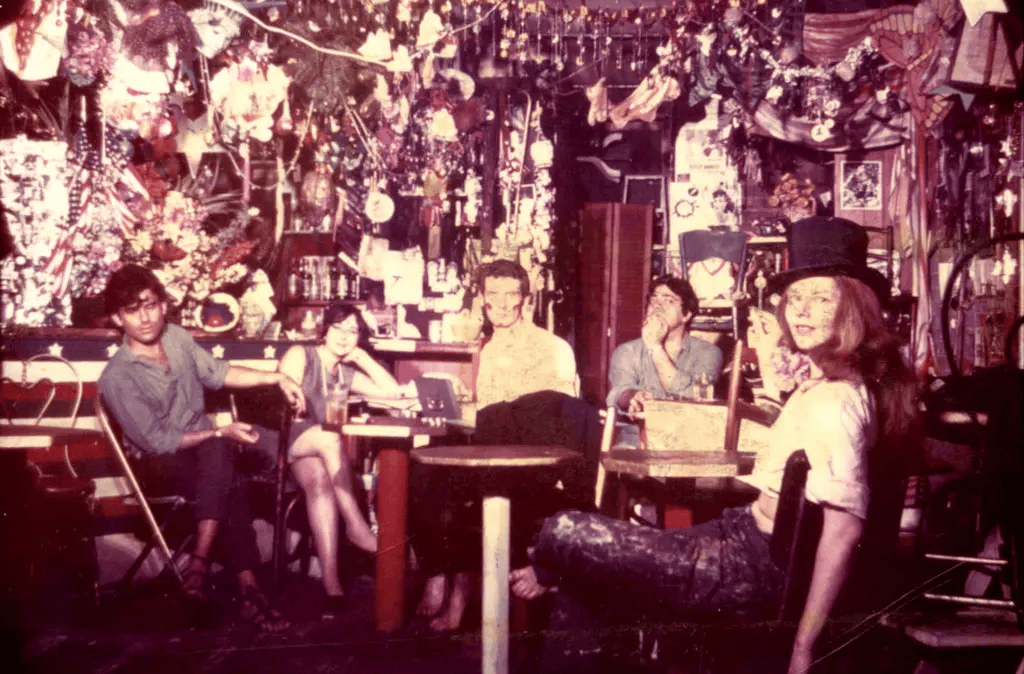
Broadway has always been an industry powerhouse—a machine designed to churn out profitable shows. After World War II, it gained a younger, more accessible sibling: Off-Broadway. Initially, it offered intimate venues and bold repertoires. By the late 1950s, however, this “alternative” market had developed its own producers, sky-high rents, and a ruthless focus on commercial success. Once again, young actors were starved for roles, and emerging playwrights lacked stages. Most importantly, the artist’s sacred right to experiment—and to fail—had vanished.
This suffocating professionalism pushed artists to take another step down. But they didn’t just move to slightly more modest venues. Creators completely abandoned the concept of theater as real estate and a formal institution. Rebels began making art in places the Broadway elite wouldn’t dare step foot in: coffeehouses, church halls, and the basements of Lower Manhattan. It was then, in 1960, that theater critic Jerry Tallmer first coined the term “Off-Off-Broadway” in the pages of The Village Voice.
Initially, this term wasn’t a classification of venues; it was a radical gesture. It was an open rejection of box office numbers and critics acting as the ultimate judges. Only later would the actors’ union set formal boundaries, defining Off-Off-Broadway as any theater with fewer than 100 seats. While the lines are somewhat blurred today (sometimes acting as a cover for run-of-the-mill showcases designed to pad actors’ resumes), its historical essence remains intact. It is a culture born out of a pure need to create, regardless of the system.
Four Addresses Where the Underground Began
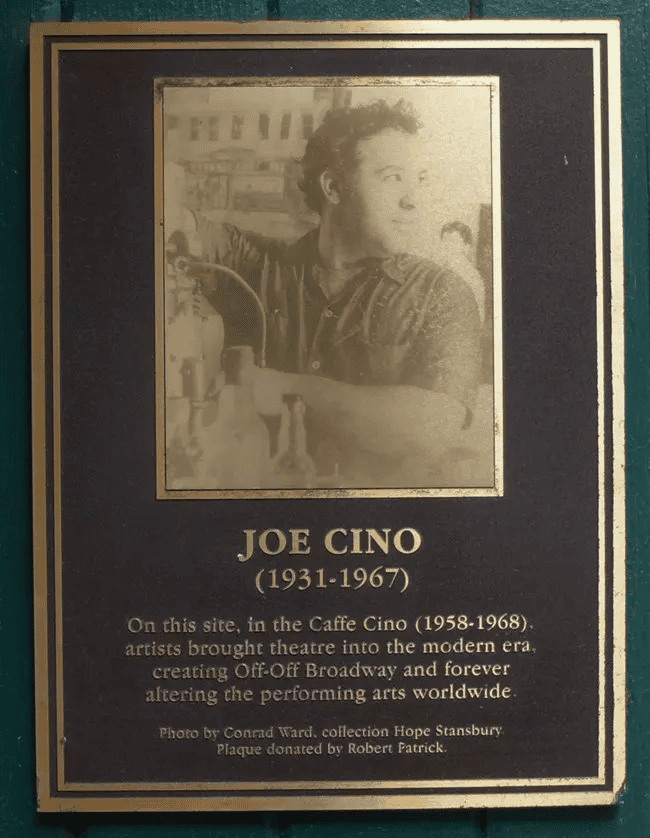
This movement had no official manifesto. As playwright Robert Patrick later recalled, the most American thing about Off-Off-Broadway was that “there was no credo, there were no criteria—it just happened.” Nevertheless, historians agree on four main hubs in the early 1960s that shaped the phenomenon. The first was the legendary Caffe Cino on Cornelia Street.
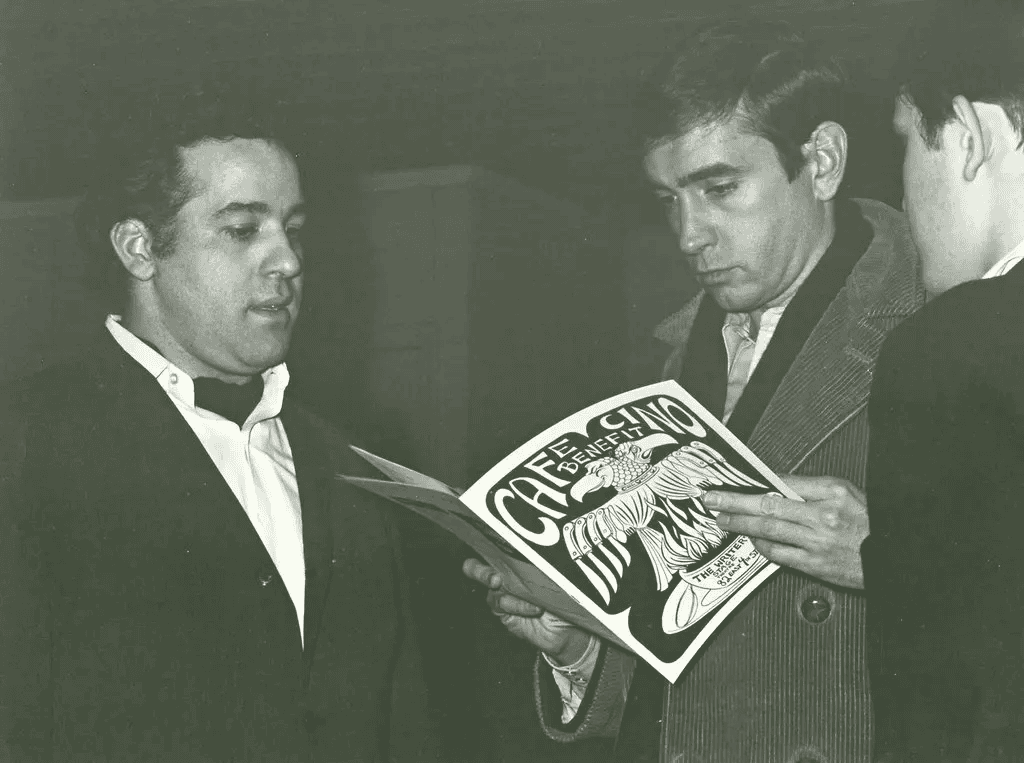
In 1958, Joe Cino opened a coffeehouse where a stage was later cobbled together from milk crates and carpet scraps. Audiences sat on ice cream parlor chairs or even perched on the cigarette machine. Admission was just a dollar, which bought guests a cup of coffee and an Italian pastry. Before every performance, Joe would ring hanging chimes and announce: “It’s magic time!” This was exactly where one of America’s first hubs for openly gay theater was born.
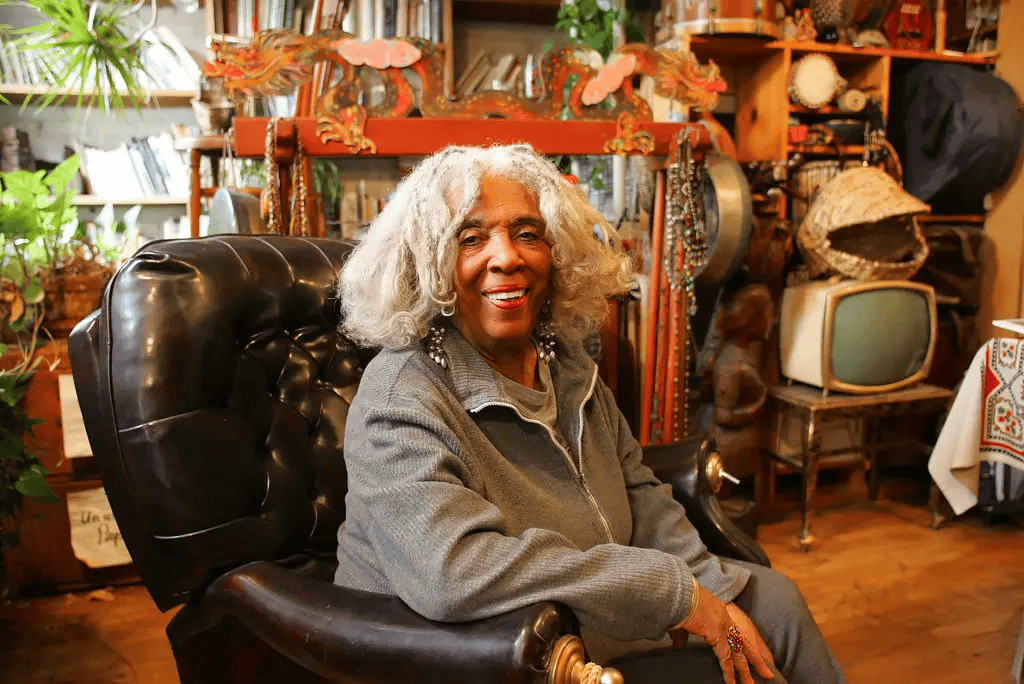
The second legend was La MaMa. In 1961, Ellen Stewart, a fashion designer with no theatrical background, rented a tiny basement on East 9th Street—simply to give her friends a place to stage their plays. Her approach was incredibly simple: if you want to do it, do it. Ellen funded the theater with her designer salary, let artists sleep there, boldly fended off fire inspectors, and introduced a private club membership system to bypass bans on public performances. From a basement fitting just ten spectators, La MaMa grew into an influential institution that, unlike many movement pioneers, is still operating today. Stewart became the true “mama” of the movement, opening doors for artists long before anyone started judging their work.
Churches that sheltered these rebels played an equally vital role. In November 1961, the Judson Poets’ Theatre opened at Judson Memorial Church on Washington Square. The pastor’s only condition was a complete ban on censorship and traditional moralizing drama. The church hall became a space where poetry, uninhibited musicals, vaudeville, and satire blended into an explosive mix. Then, in 1964, Theatre Genesis emerged at St. Mark’s Church. It proved to be the most conceptual and politicized of the four. Here, the focus was heavily on contemporary American playwriting, and the tone of the productions mirrored the gritty realities of city streets—light-years away from the carefree vibe of a cabaret.
Basement Aesthetics: How Tight Spaces Birthed a New Theatrical Language
The physical space dictated entirely new rules. No real stage meant the traditional “fourth wall” between actor and audience was completely shattered. With no budget for workshops, set designs were built from junk found on the streets. Spectators and performers literally shared the same air, thick with tobacco smoke and the aroma of espresso. Meanwhile, the constant threat of a sudden police raid loomed over every performance.
The core principle of the underground was trust—which took precedence over technical skill. Joe Cino didn’t read plays in advance, and Ellen Stewart never asked for acting resumes. Writers were given a room first; only later did people see what would be born in it. In this environment, a willingness to take risks was valued far above academic professionalism.
The brevity and conciseness of the productions were also dictated by harsh circumstances. One-act plays were chosen not just because of the fad for the Theater of the Absurd, but for purely practical reasons. Uncomfortable chairs and strict coffeehouse schedules weren’t exactly conducive to marathon performances. Writers had to say their piece before the venue owner literally turned off the lights.
On the flip side, there were absolutely no taboos when it came to subject matter. While commercial theaters hid behind euphemisms, Off-Off-Broadway openly tackled the Vietnam War, racial conflicts, and sexuality. Gay community life, biting political satire, and the grotesque took center stage without a second thought for the constraints of “proper” drama.
A unified artistic canon simply didn’t exist; there were only different perspectives on what theater could be. Troupes felt like large families. By day, actors washed dishes or drove cabs, and by night, they stepped onto makeshift stages. This very freedom of genre, Spartan poverty, and absolute creative independence became the defining method of Off-Off-Broadway.
When Basements Become a Blueprint for the Future
By the early 1970s, Off-Off-Broadway slowly began to emerge from the underground. Some successful productions moved to prestigious venues, critics finally learned to venture into basements, and official theater awards were introduced. Some researchers argue that this was the moment the rebellious spirit began to fade. The movement started mimicking Off-Broadway, which, in turn, had long been chasing box-office hits.
But the true phenomenon of this underground scene doesn’t lie in terminology or the geography of Lower Manhattan. It lies in a fundamental question: does theater really need the walls of official institutions? The rebels of the sixties proved that all you need for magic is an open door, a couple of light bulbs, and a group of people popping in for a cup of coffee. Everything else—from crystal chandeliers to stone bas-reliefs on the facades of historic buildings—is just scenery, easily replaced by empty crates.
This is exactly why the legacy of this movement remains relevant today. Every new generation of artists rediscovers abandoned garages, empty warehouses, or virtual rooms for themselves. True independent art always begins with a simple “do your own thing”—without worrying about whether it will turn a profit.