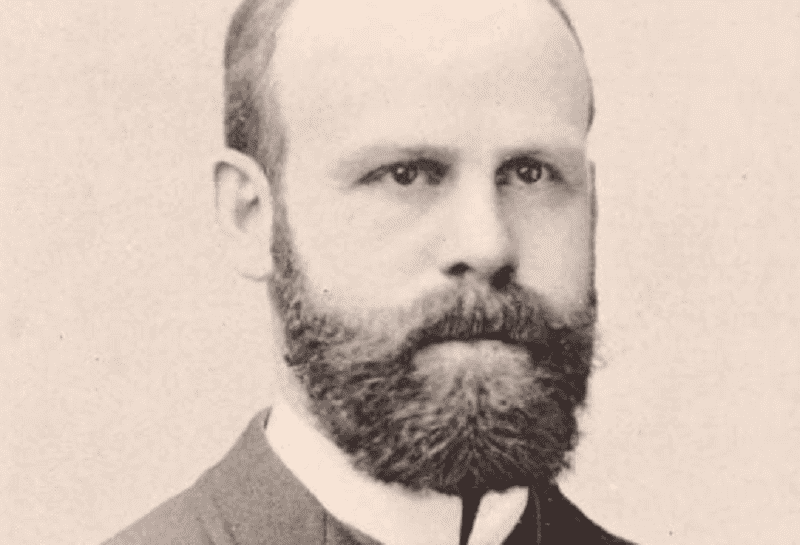

Manhattan, a vibrant cultural hub and home to historical landmarks, has also nurtured exceptional individuals who have left a lasting impact. Among them is Lucius Duncan Bulkley, a pioneering dermatologist and medical researcher born in Manhattan on January 12, 1845. His contributions to dermatology and cancer treatment remain significant. Here’s a closer look at his life and work. More on i-manhattan.com.
Childhood in Manhattan
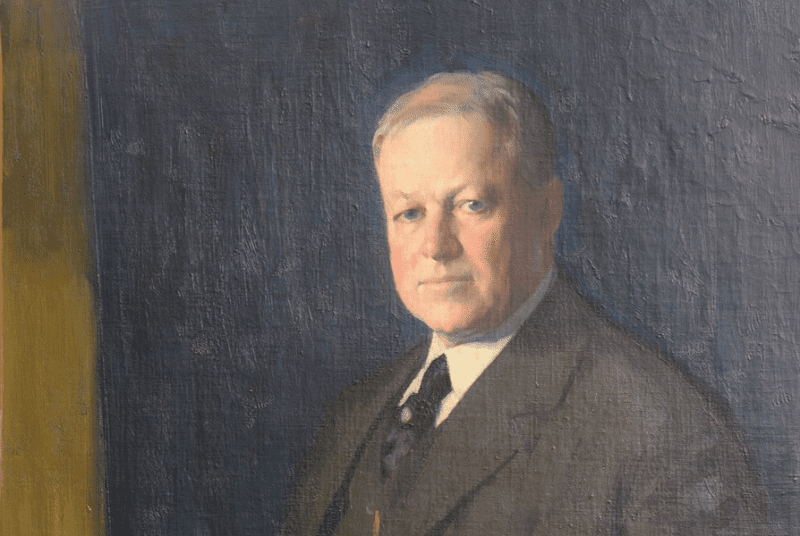
Lucius Duncan Bulkley was born and raised in Manhattan, one of New York City’s five boroughs. His father, Henry Daggett Bulkley, was a civil servant, and his upbringing was in a large, close-knit family. Lucius attended local schools before enrolling in the College of Physicians and Surgeons in New York, graduating in 1869 with a medical degree. Afterward, he traveled extensively across Europe, visiting cities like Vienna, Paris, and London to further his medical education. Returning to Manhattan, he began his medical career as a house physician at the New York Hospital.
Contributions to Medicine and Research

Lucius Bulkley was not only a practicing physician but also a dedicated researcher. His work addressed pressing medical issues of the 19th century, particularly in dermatology and oncology. In 1874, he launched “Archives of Dermatology,” the first English-language journal dedicated to the field, serving as its editor for eight years. The journal established him as a pioneer in disseminating dermatological knowledge.
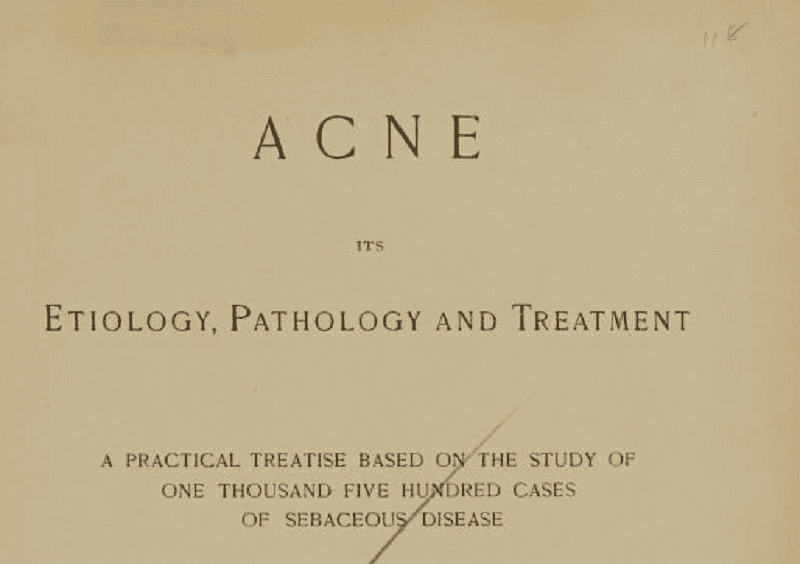
In 1883, Bulkley founded a specialized hospital in New York for alternative cancer treatments. His research on dermatological conditions and cancer culminated in numerous publications. One of his landmark works, “Acne, Its Etiology, Pathology, and Treatment” (1885), earned international acclaim, including a positive review from the British Medical Journal.
Groundbreaking Work on Cancer
Bulkley’s exploration of cancer focused on its metabolic origins. He theorized that dietary habits and lifestyle choices significantly contributed to cancer risk. His recommendations included eliminating meat, alcohol, tea, and coffee from the diet and addressing intestinal health to prevent harmful stagnation.
Bulkley believed that cancer was more prevalent in affluent societies and less common in rice-producing regions. He advocated for dietary changes and non-invasive treatments, emphasizing a vegetarian diet supplemented with fruits, vegetables, grains, and butter. He also proposed using potassium acetate as part of the regimen.
Recognitions and Leadership
Throughout his career, Bulkley received multiple honors, including the Stevens Triennial Prize and the Alvarenga Prize for his essays and monographs. He chaired the Department of Dermatology and Syphilology for the American Medical Association, presided over the New York Dermatological Society, and led the New York Medical Academy. His influential role in these organizations further solidified his legacy.
Legacy
Despite the skepticism surrounding some of his later dietary recommendations, Lucius Duncan Bulkley is remembered for his transformative impact on dermatology and cancer research. His innovative approaches and extensive contributions to medical literature have left an indelible mark on medicine, not just in Manhattan or the United States but worldwide.