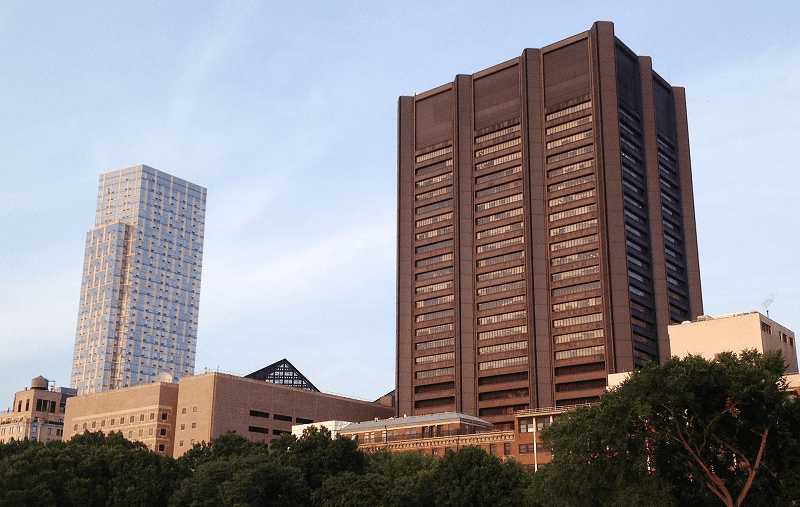

Medicine is a cornerstone of urban infrastructure, embodying humanity’s commitment to safeguarding lives and promoting health. Healthcare must be accessible to everyone, regardless of nationality, race, or origin. Recognizing this need, numerous hospitals have been established to ensure equitable medical care. One notable institution is Mount Sinai Hospital, which began as a facility dedicated to serving New York’s Jewish community and evolved into one of the leading hospitals in the United States. Here’s the story of its origins and evolution. More on i-manhattan.com.
Founding the Hospital
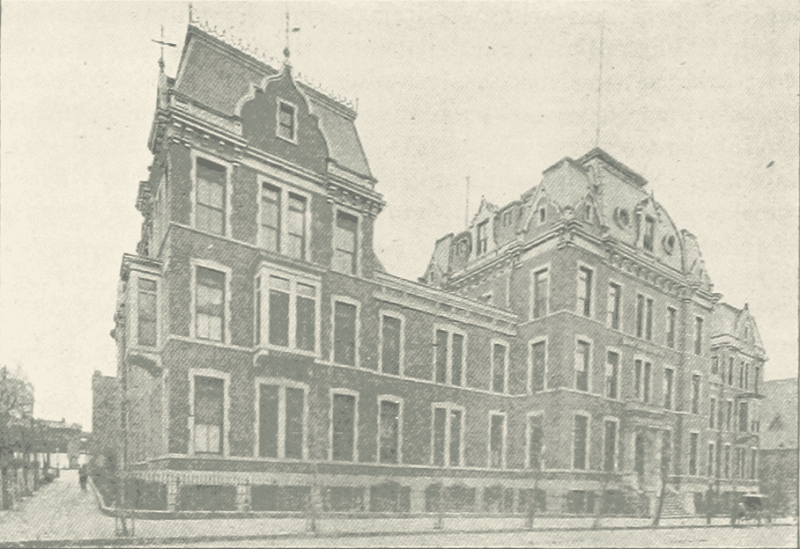
Manhattan has long been home to a significant Jewish community, which, in 1852, identified the urgent need for a hospital that could serve the underserved Jewish population. A meeting of representatives from nine Jewish charitable organizations resulted in plans to build such a facility.
By 1855, the Jewish Hospital was officially opened, accommodating 45 patients. Located on West 28th Street between Seventh and Eighth Avenues in Manhattan, the hospital initially catered primarily to Jewish patients. However, as time passed, it expanded its services to include patients of all religions and nationalities, transforming into an inclusive medical institution.
From Jewish Hospital to Mount Sinai
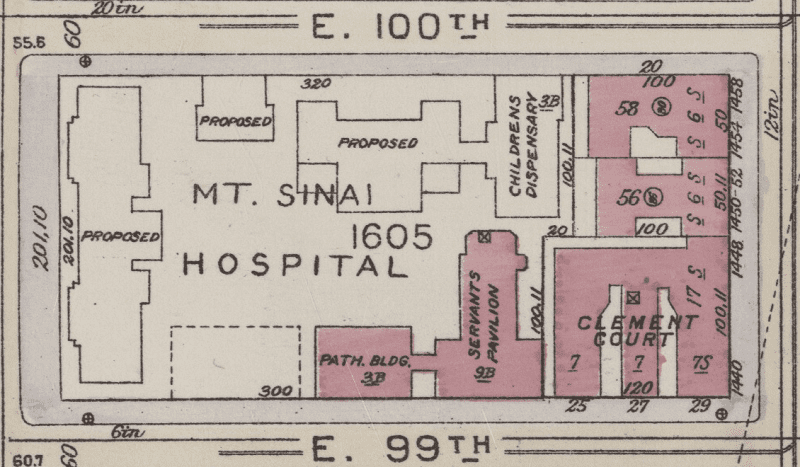
During the American Civil War (1861–1865), the hospital expanded to accommodate Union soldiers. This led to increased government funding, enabling further development. By 1866, the hospital was renamed Mount Sinai, signifying its transition to a non-sectarian institution.
In 1872, Mount Sinai moved to a new location on Lexington Avenue, increasing its capacity to 120 beds. This relocation marked the beginning of a new era, with expanded services that included pediatrics, neurology, ophthalmology, dermatology, and more. The hospital’s first laboratory, no larger than a closet, underscored its humble beginnings in scientific research.
Expansion on the Upper East Side

Mount Sinai’s relocation to Fifth Avenue in 1904 was a transformative move. The new facility quadrupled the hospital’s capacity to 456 beds and provided space for advanced medical departments. Over time, Mount Sinai became a full-cycle hospital capable of treating complex illnesses independently.
By the late 19th and early 20th centuries, Mount Sinai had introduced additional services, including social work, financial support for patients, and innovative treatment methods. These efforts solidified its reputation as a leader in medical care.
The hospital also played a crucial role during World War I and World War II, treating wounded soldiers and sending its staff to support military medical units in Europe and North Africa.
Modern Development and Achievements
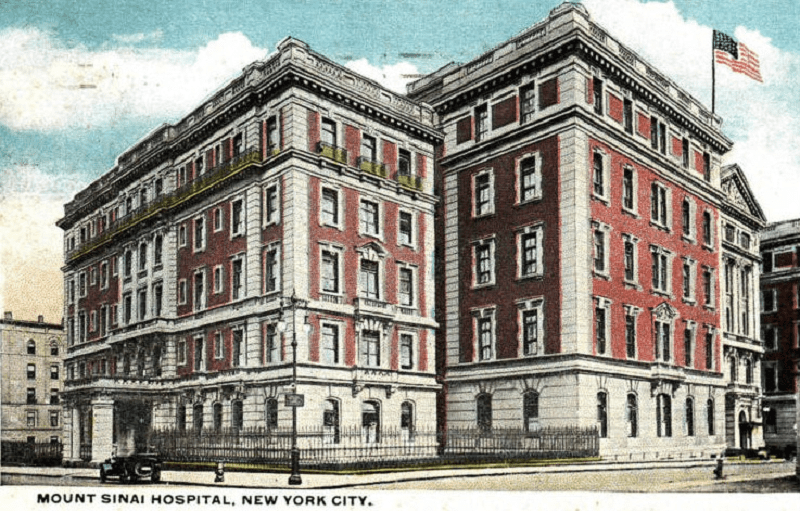
In the 1960s, Mount Sinai expanded its focus on education, establishing the Icahn School of Medicine. This institution became renowned for training future medical professionals, contributing to the hospital’s continued legacy of excellence.
Despite financial challenges in the early 21st century, Mount Sinai overcame these obstacles and remains a beacon of medical innovation and compassionate care. From its humble beginnings as a small Jewish hospital to its current status as a global leader in healthcare, Mount Sinai continues to uphold its mission of providing high-quality medical services to all who need them.