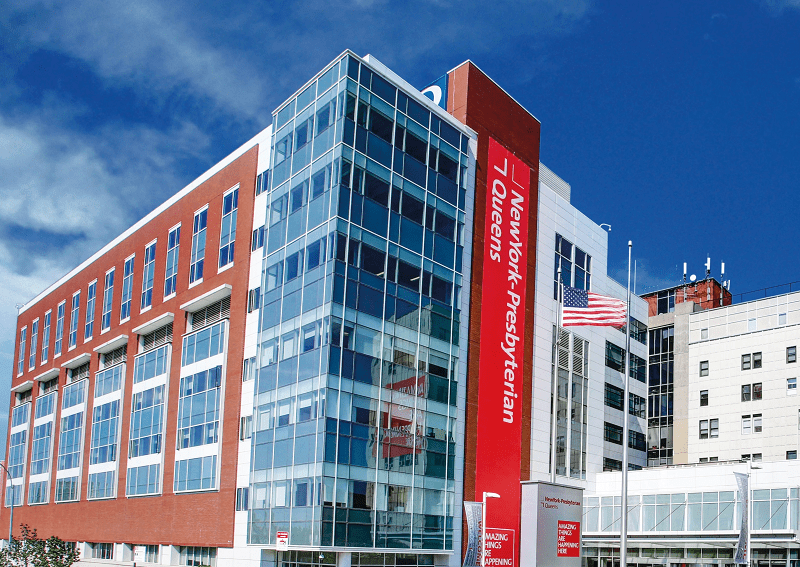

New York-Presbyterian Hospital is the result of a merger between two prominent medical institutions in Manhattan: New York Hospital and Presbyterian Hospital. Together, they created a landmark facility that provides high-quality care to all in need.
The integration combined not only the hospitals’ capacities—offering over 2,200 beds—but also their extensive workforce. By 1998, this unified hospital employed more than 13,000 staff members. Read on to learn how this Manhattan medical institution achieved improvements in healthcare quality and accessibility. More on i-manhattan.com.
History of the Separate Hospitals
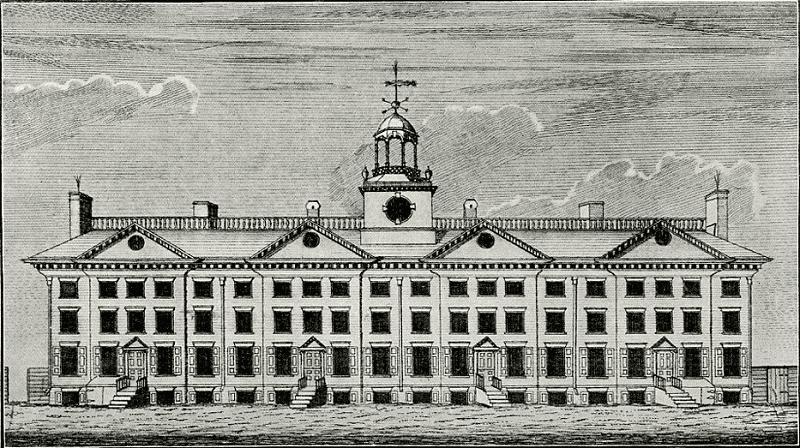
To understand the evolution of New York-Presbyterian Hospital, one must delve into the histories of its two founding institutions, which overcame challenges to significantly advance healthcare in the city and beyond.
The unified hospital became a cornerstone of New York City’s healthcare infrastructure, with resources that extend their impact far beyond the region. Notably, the institution incorporates two medical schools, whose clinical expertise has made it one of the world’s leading academic health centers.
Development Before the Merger
The New York Hospital was established during the colonial era of the United States, under the authority of King George III. It began operations in the 18th century, providing critical care during significant events such as the American Revolutionary War. In 1776 alone, it treated over 3,000 injured soldiers. Throughout its history, the hospital remained a steadfast provider during conflicts, including both World Wars.
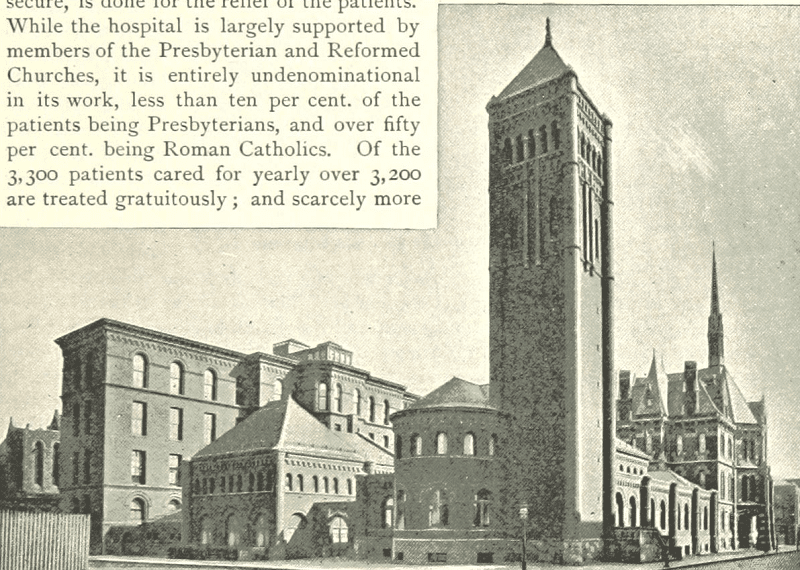
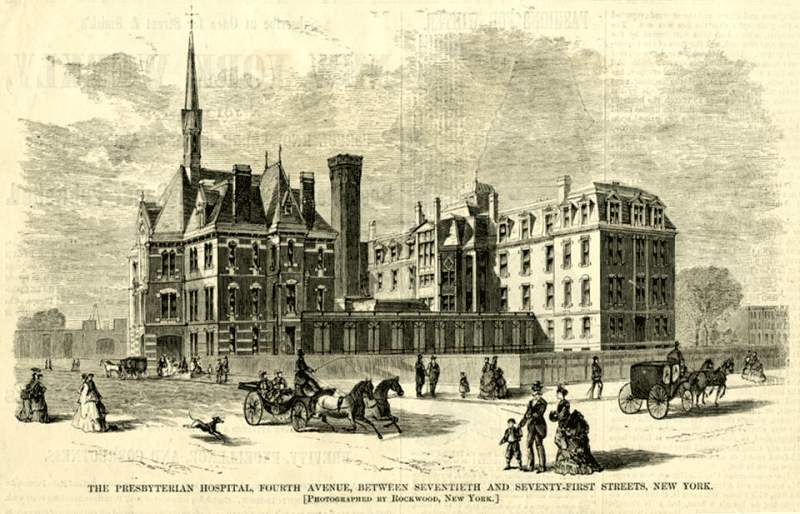
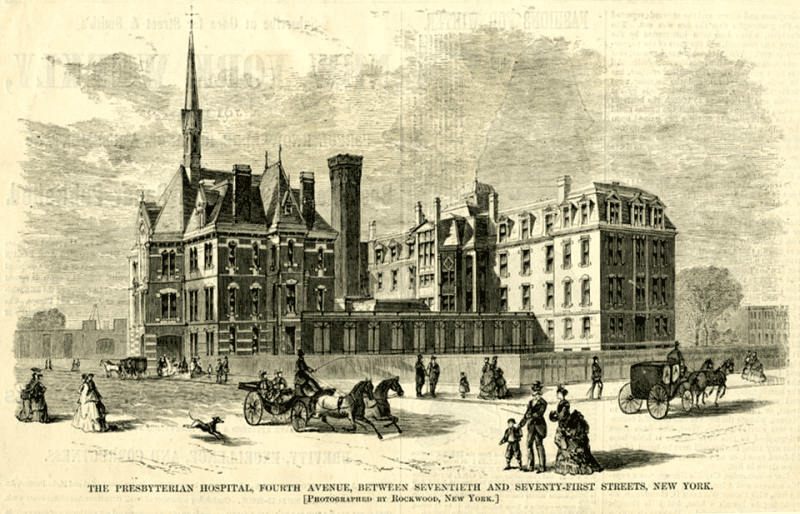
Presbyterian Hospital, founded in 1868, gained prominence for pioneering surgical procedures. In 1876, Dr. Lewis Stimson performed the first successful leg amputation in the United States, conducted publicly before more than 50 observers. By the 1920s, the hospital required larger facilities, leading to its relocation in 1928 and the establishment of the Columbia-Presbyterian Medical Center, which focused on organ transplantation and performed the first successful pediatric heart transplant in 1984.
Formation of New York-Presbyterian Hospital
The merger of New York Hospital and Presbyterian Hospital in 1997 marked a pivotal moment in American healthcare. The newly formed institution boasted 2,200 patient beds and employed over 13,000 staff. Today, the hospital spans six campuses, offers 2,600 beds, and employs more than 40,000 people.
Just three years after its founding, New York-Presbyterian Hospital was consistently ranked as the best hospital in New York City by U.S. News & World Report and placed on numerous “Honor Roll” lists of the nation’s top hospitals. Many of its doctors have been awarded Nobel Prizes for contributions to medical science.
Expanding Services and Infrastructure
In 2003, the hospital opened the Morgan Stanley Children’s Hospital at its Columbia University Irving Medical Center campus, a $120 million project funded largely by Morgan Stanley’s $80 million donation. Subsequent developments included an emergency center for adult patients and the Milstein Family Heart Center, a state-of-the-art cardiac care facility supported by a $50 million philanthropic gift.
Collaborations and Innovations

New York-Presbyterian Hospital has continuously fostered relationships with other institutions to enhance patient care. Notably, in 2014, it partnered with Lawrence Hospital Center to expand its reach.
The hospital has also played a central role in groundbreaking research initiatives, such as the Precision Medicine Initiative launched by President Barack Obama. Through collaborations with Columbia University Medical Center and Weill Cornell Medicine, the hospital secured a $4 million NIH grant to recruit participants for this national program.
Ongoing Research and Impact

New York-Presbyterian continues to lead large-scale research aimed at improving disease prevention and treatment by considering lifestyle, environmental, and genetic factors. For instance, its Columbia University Medical Center performs over 2,200 open-heart surgeries annually, underscoring its expertise in cardiology.