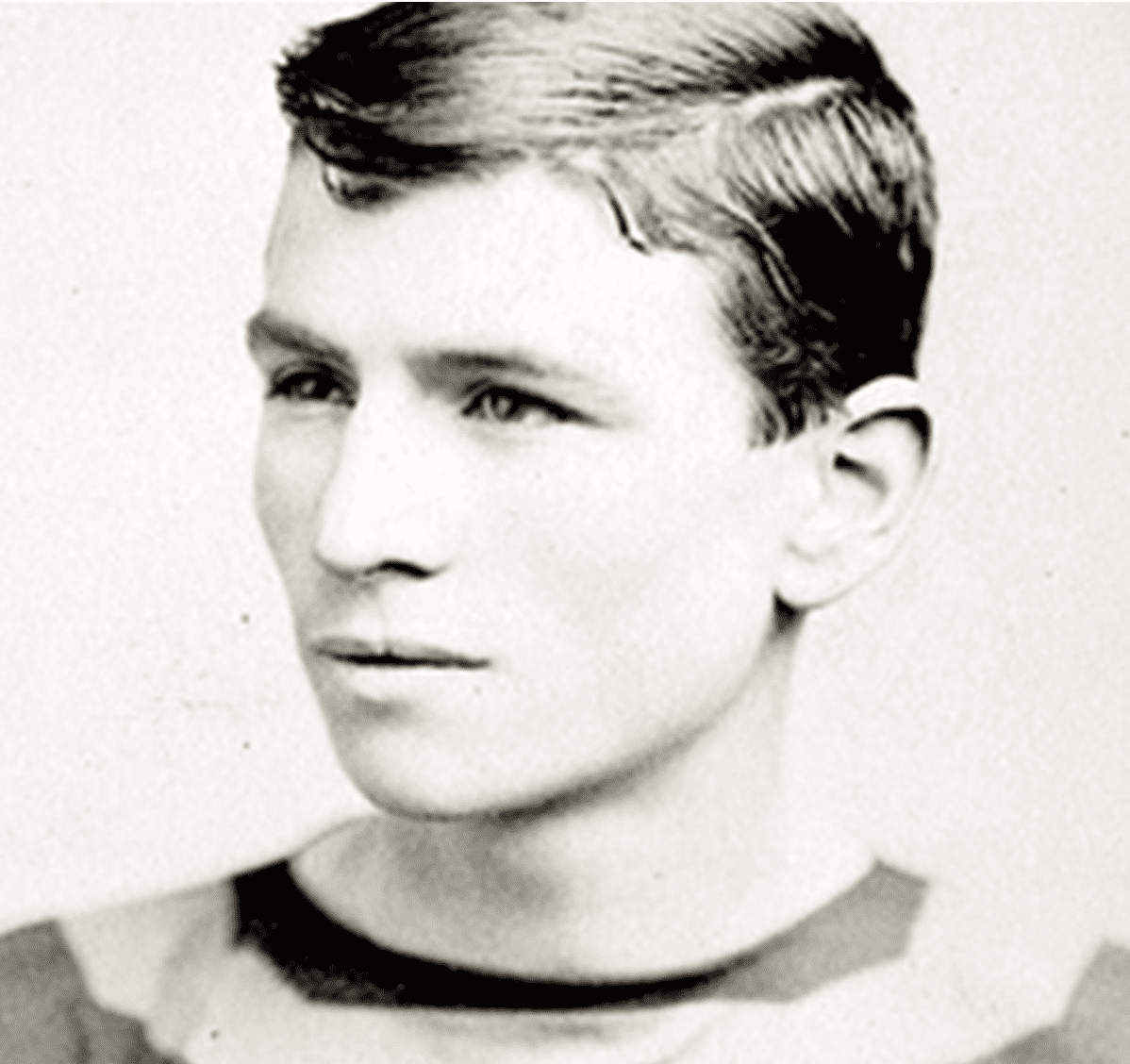

Manhattan native Steve Brodie achieved worldwide fame through a controversial stunt: he claimed to have jumped off the Brooklyn Bridge in 1886 and emerged unscathed. This audacious act transformed a struggling gambler into a celebrated figure, bringing him wealth and notoriety. However, his “feat” was often met with skepticism, and the truth behind the jump remains shrouded in mystery. Brodie became a symbol of recklessness and desperation, with his name synonymous with risky, even suicidal, ventures. More on i-manhattan.com.
Early Life: Hardship and Bravery
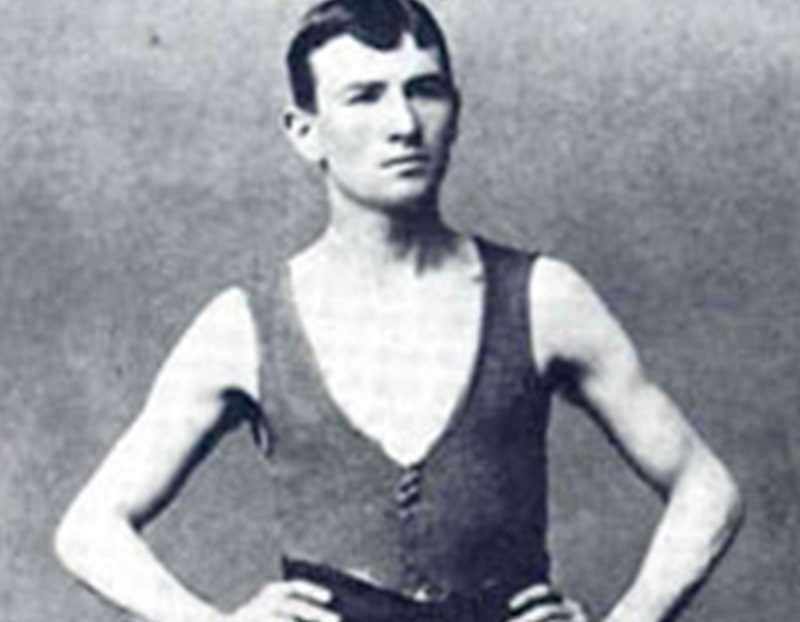
Born on Christmas Eve, December 25, 1861, in one of New York City’s most crime-ridden neighbourhoods, Steve Brodie faced hardship early in life. Losing his father at a young age deeply affected him. Despite these struggles, Brodie grew into a resilient and courageous individual, gaining local fame for acts of heroism.
As a child, Brodie took on various odd jobs to make ends meet, selling newspapers and shining shoes across the city. His bravery became known through numerous water rescues, including saving two girls who fell from a barge and rescuing actress Jennie Rett, who later awarded him a gold medallion in gratitude.
The Brooklyn Bridge, completed just three years before Brodie’s alleged leap, became the backdrop for his daring claim. Interestingly, a year before Brodie’s stunt, swimming instructor Robert Emmet Odlum had attempted a similar jump but tragically lost his life.
The Leap of 1886: Fame and Controversy
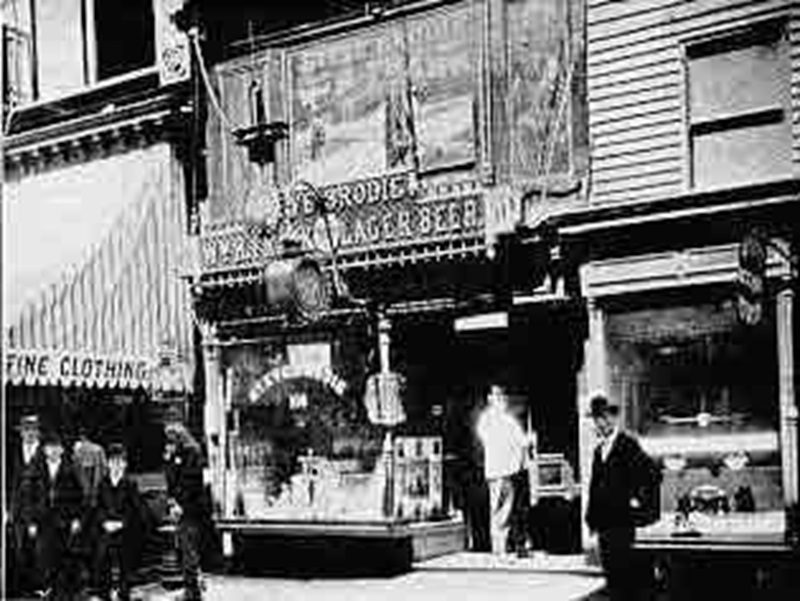
By mid-1886, Brodie was in dire financial straits, having squandered his savings on horse racing and gambling. Desperate, he discussed his plan with his wife, who agreed to his audacious gamble. On July 23, 1886, Brodie reportedly leapt 135 feet (the height of a 14-story building) into the East River. Some accounts, including a report in The New York Times, suggested the height might have been closer to 120 feet.
According to The New York Times, Brodie had practiced by jumping from smaller bridges and ships before attempting the fateful leap. Two journalists witnessed the event, confirming that he survived the fall with only minor injuries. Despite his miraculous escape, Brodie was promptly arrested.
Scepticism Surrounding the Stunt
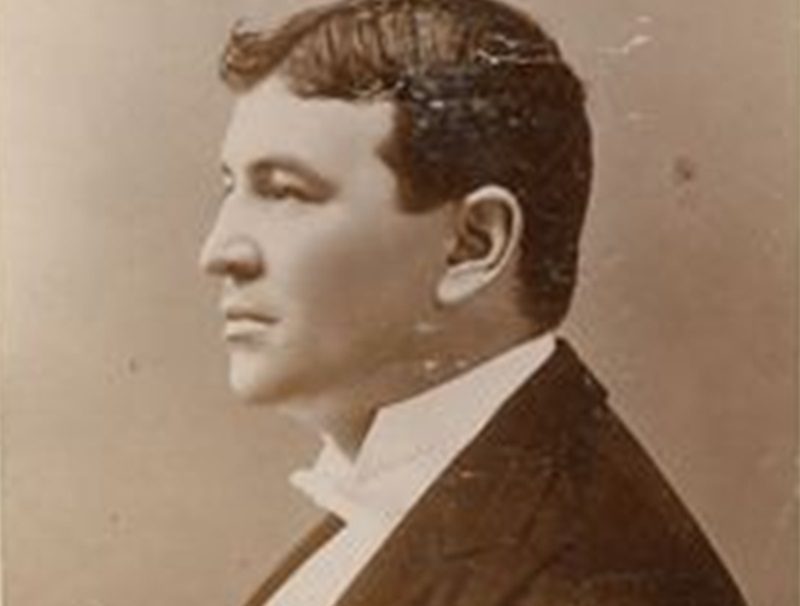
From the outset, Brodie’s jump was met with skepticism. Speculation arose that a dummy had been thrown from the bridge while Brodie surfaced from a boat beneath it. In 1930, retired police officer Thomas K. Hastings revealed that Brodie himself admitted the jump was a hoax designed to gain fame.
Despite these doubts, Brodie’s tale captivated the public and inspired a wave of similar stunts. Just a month after Brodie’s leap, Larry Donovan successfully jumped from the bridge, becoming the first officially confirmed survivor of such a feat.
Further Adventures and Final Days
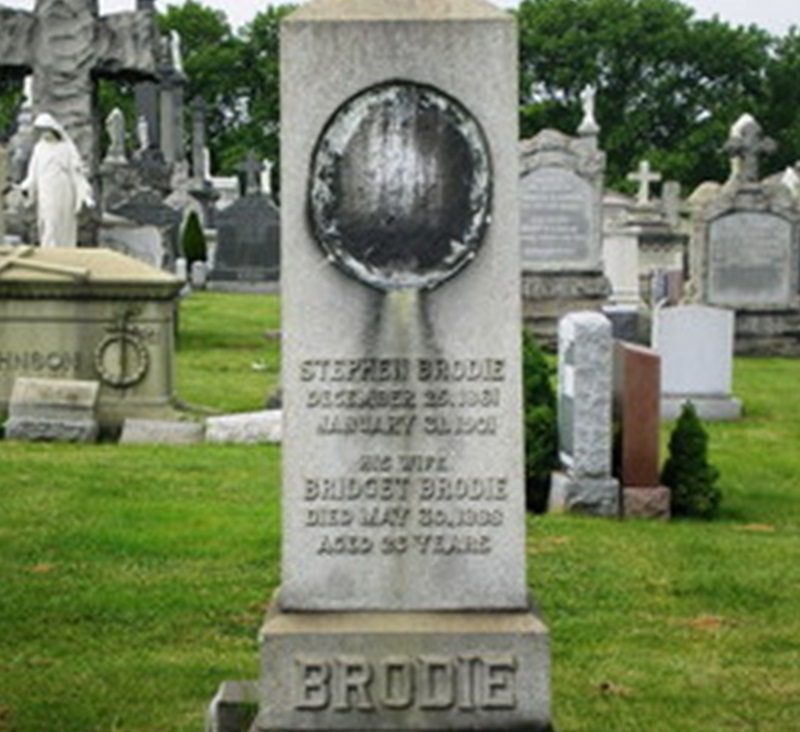
Brodie continued to chase fame through daredevil stunts. On November 9, 1888, he leapt from the Poughkeepsie Railroad Bridge into the Hudson River, a drop of 222 feet. For this hazardous act, he received $500 (equivalent to over $16,000 today). Reports about his injuries vary, but Brodie announced that he would no longer risk his life in such ways.
However, in 1889, he made headlines again with a jump at the Horseshoe Falls in Canada. Although arrested, Brodie chose to admit his actions rather than deny them, stating he preferred imprisonment over dishonesty.
Steve Brodie passed away on January 31, 1901, in San Antonio, Texas. Surrounded by loved ones, he succumbed to either diabetes or tuberculosis, both of which were common causes of death at the time.
Legacy and Wealth
Brodie’s adventurous life earned him significant wealth, with his estate valued at $100,000—over $3.5 million in today’s currency. Most of his fortune was entrusted to his eldest daughter, Irene, who managed the inheritance until his younger children reached adulthood.
Steve Brodie remains a fascinating figure in New York City’s history, a daring performer whose legendary leap continues to spark debate and intrigue. Was he an audacious hero or a clever showman? The mystery endures, much like the legacy of his famed Brooklyn Bridge “jump.”