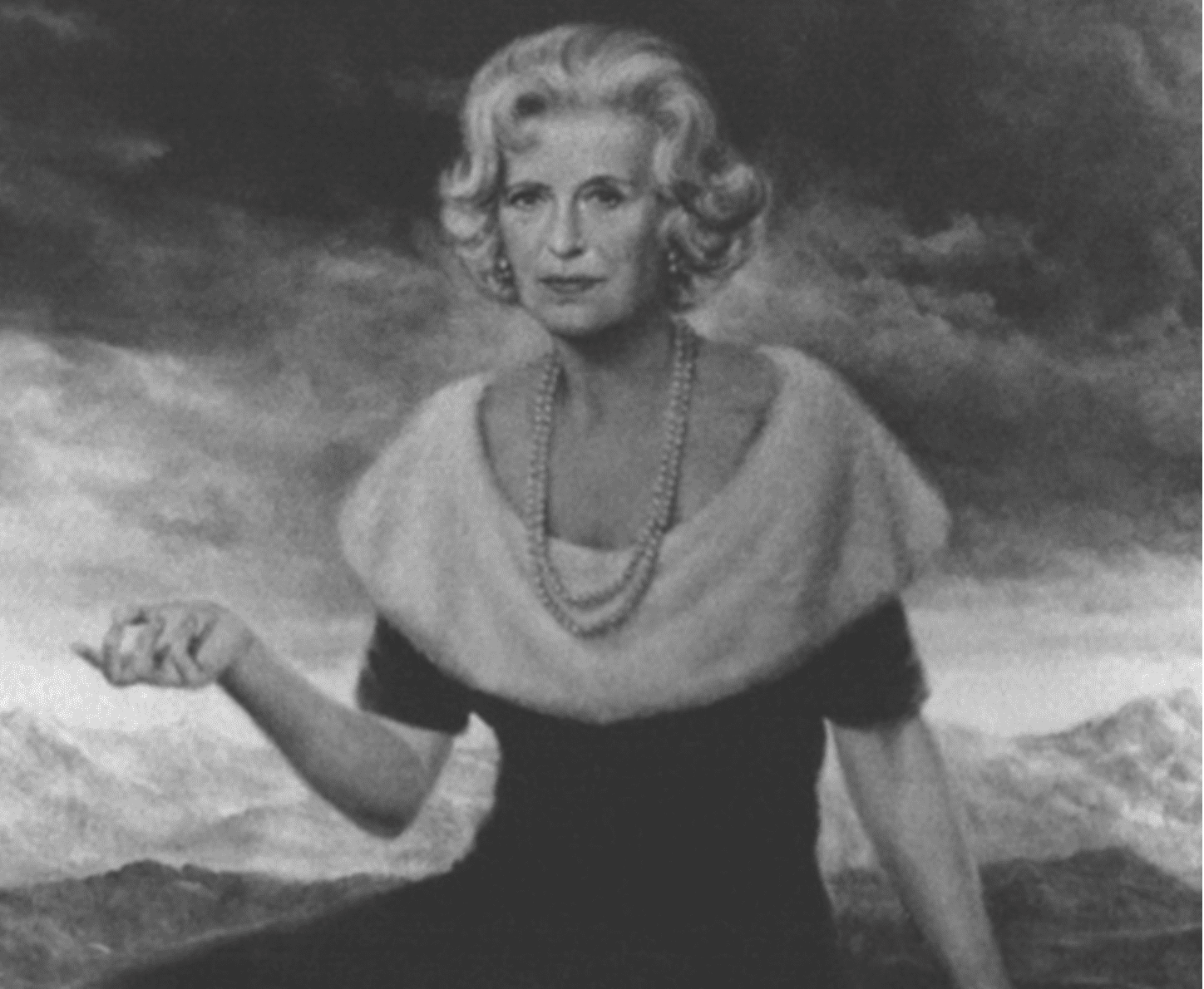

Helen Gilman Brown (née Noyes) is remembered as an exceptional American altruist and social worker. For many years, she provided invaluable support to New York residents, particularly in the Upper East Side, where she was a leading activist within the Union Settlement organization. For her longstanding and dedicated service, Helen was awarded special recognition in 1919 when she was elected as a member of the National Institute of Social Sciences. Her contributions to social service and philanthropy remain an enduring legacy for both the city and the nation. More on i-manhattan.com.
Early Life
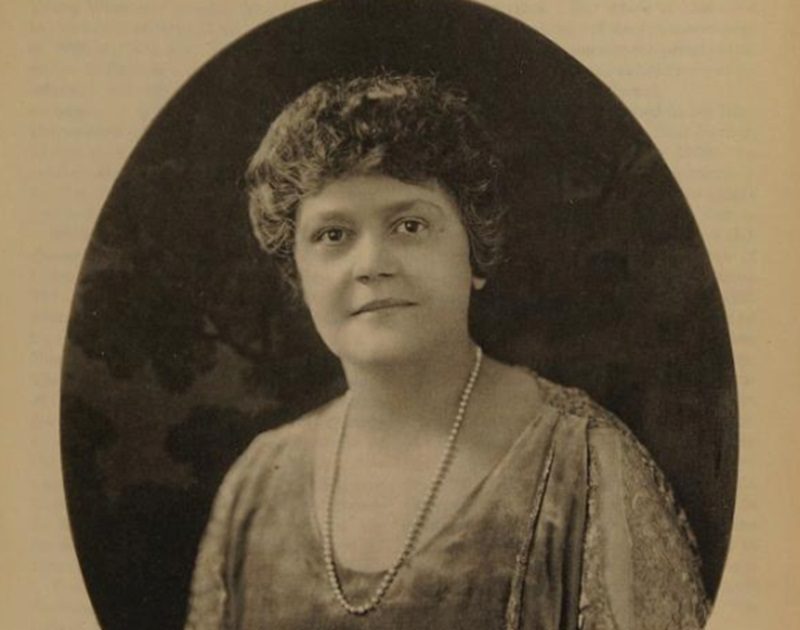
Helen was born in New York City on October 12, 1867 (some sources cite 1868), to Daniel Rogers Noyes and Helen Adia Gilman Noyes. She descended from colonial families of New England. Helen grew up in a large family with five siblings: Winthrop, Evelyn, Caroline, Josephine, and Daniel Raymond.
Daniel Rogers Noyes was born in Lyme, Connecticut, on November 10, 1836. His ancestry traced back to Reverend James Noyes, rector of Cholderton, England, who emigrated to Boston in 1634. His son graduated from Harvard in 1638 and helped found Yale University, becoming one of its first trustees.
Helen was the 10th descendant of Richard Warren, one of the signers of the Mayflower Compact, and a descendant of William Coddington, the first governor of colonial Rhode Island, and Anne Hutchinson, a pioneer in advocating for women’s intellectual freedom. On her mother’s side, Helen descended from prominent figures such as Governor Mayhew, Reverend Chandler Robbins of Plymouth Colony, and George Bethune, who brought French lineage into the family.
Helen’s early years were divided between the eastern and western United States. After her father’s health declined, the family moved away from New York, and Helen spent much of her childhood in Minnesota. At 14, she returned to Connecticut to attend Miss Porter’s School in Farmington, led by Sarah Porter, sister of Noah Porter, president of Yale College. Following her graduation, Helen deepened her musical education in Vienna, where she studied under Theodor Leschetizky.
Forming the “Land Army” for Women
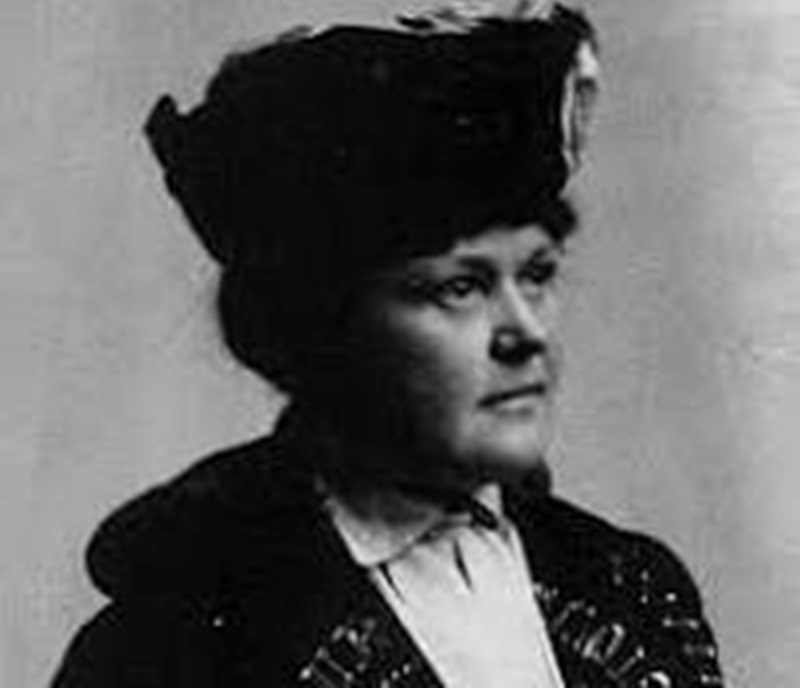
During the war, the U.S. government emphasized the importance of conserving food and increasing domestic production. To support farmers and expand agricultural output, the Women’s Land Army of America was founded, achieving significant success. The group comprised “platoons of young women,” primarily industrial workers and college students.
By 1918, these units operated in 21 states, and over 1,500 members received specialized training. Farmers welcomed their assistance, and the women proved capable of performing diverse agricultural tasks. Many of these young women later expressed interest in continuing their work in agriculture post-war. Helen served as the national president of this organization during the final year of the conflict and worked closely with the Department of Labour in Washington, D.C.
Helen Gilman Brown During World War I
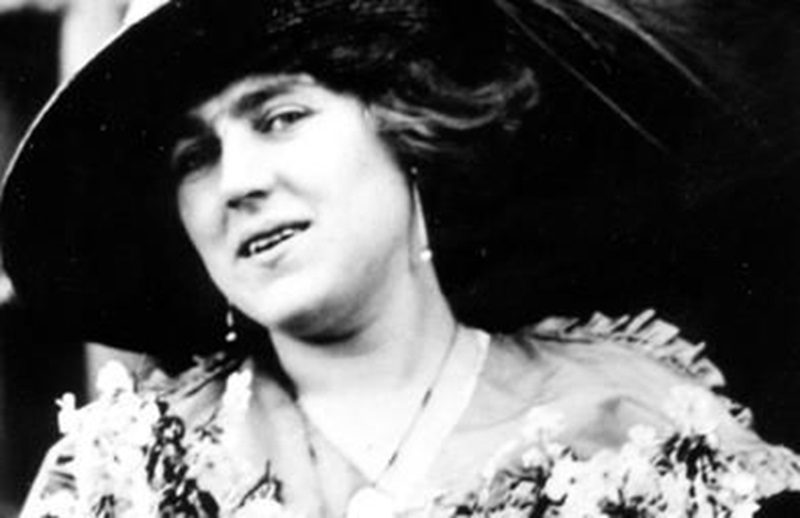
With the outbreak of World War I, Helen Gilman Brown eagerly embraced new responsibilities. She joined the National War Work Council of the YWCA, serving as chair of public relations before becoming vice chair. In the absence of the chair in Europe, Helen assumed leadership of the council, underscoring her strong leadership qualities and commitment to impactful projects.
In 1918, at the request of the War Work Council, Helen traveled to France to inspect stations organized for female munitions workers, Signal Corps operators, Red Cross nurses, and employees of the French Ministry of War. Alongside prominent figures like Mrs. Herbert Lee Pratt and Mrs. Frances McNeil Bacon, Helen prepared a report for General John J. Pershing, commander of the U.S. Army, detailing the YWCA’s support for women connected to the military.
Post-War Contributions
Following the war, Helen remained active in the YWCA, becoming the national finance chair of the National Council. Amid the challenges of recovery, she undertook speaking tours across the country, urging public support for the YWCA’s efforts to help young women achieve self-reliance.
In 1922, Helen and her family traveled to Europe, spending the winter in London as a member of the YWCA World Committee. In March 1923, she joined an unofficial delegation to Paris, working with French leaders and addressing international concerns, including the Ruhr crisis.
Helen was elected president of the National Society of Colonial Dames in the State of New York and later served as the National Chair of the Sulgrave Institution Endowment Fund Committee. She also co-founded the Cosmopolitan Club and was a member of numerous organizations, including the Colony Club, Albemarle Club (London), Colonial Dames, Mayflower Club, and the YWCA World Committee.
Personal Life and Family
Helen married Reverend Dr. William Adams Brown on March 30, 1892. They had four children. Their eldest son, John Crosby Brown, became a public relations consultant and fundraising campaign manager after serving in World War II. Another son, Winthrop Brown, served as U.S. ambassador to Laos and Korea. Tragically, their daughter Helen Adams Brown succumbed to polio just before attending Vassar College.
The family lived at 49 East 80th Street in New York City and spent summers at their estate, “The Tree-Tops,” on Mount Desert Island, Maine. Helen and her husband were deeply involved in building and supporting a local church and promoting kindergarten education in the area.
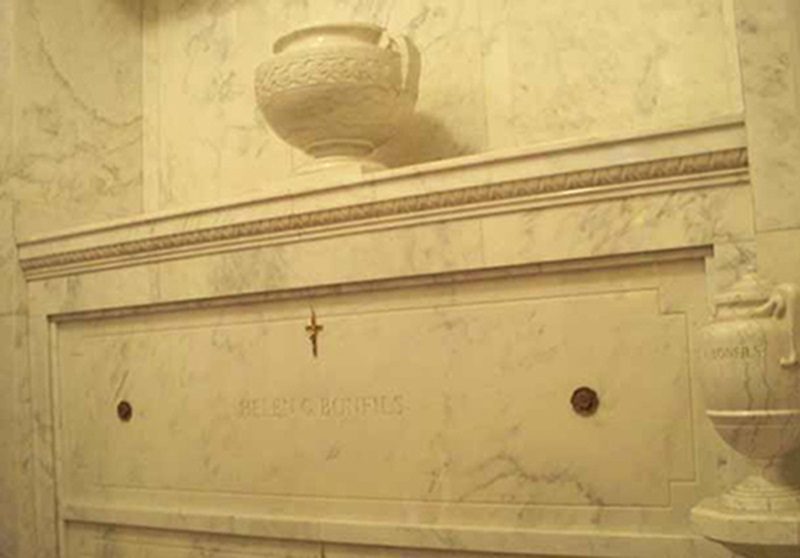
Helen Gilman Brown passed away on December 12, 1942, at her Park Avenue residence. At 75, she left behind a remarkable legacy of philanthropy and social reform.