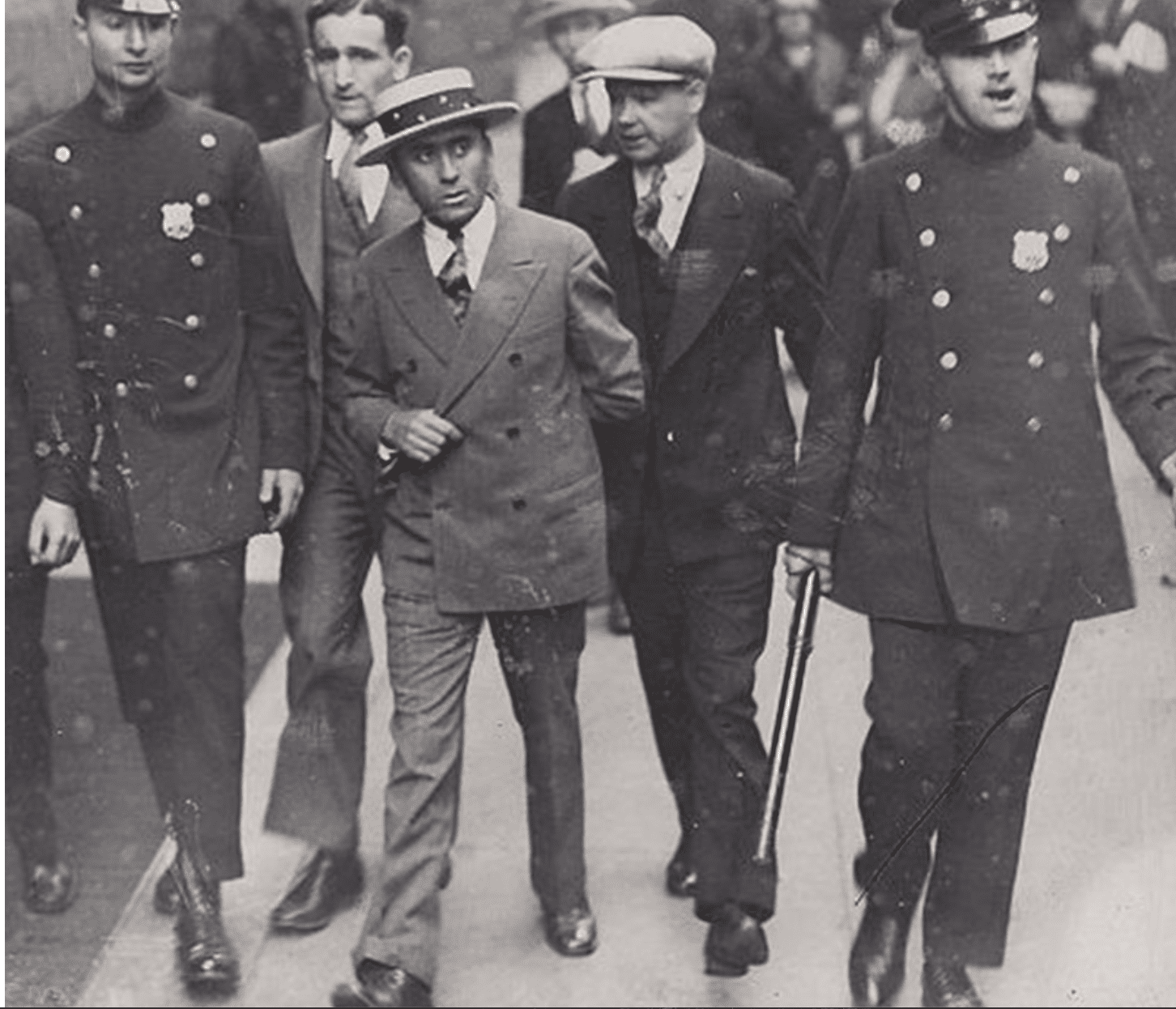

Johnny Broderick left an indelible mark on New York City’s history during the 1920s and 1930s. Historical records offer conflicting accounts of his birth year, ranging from 1894 to 1897. As a police officer patrolling Broadway’s theatre district and heading the Industrial Squad to suppress strikes, Broderick became a symbol of ironclad law enforcement. However, his controversial methods often bordered on vigilantism, earning him a reputation as both a hero and an antihero. Known for his personal confrontations with gangsters, Broderick evoked admiration and condemnation in equal measure. More on i-manhattan.com.
A Scandalous Legend
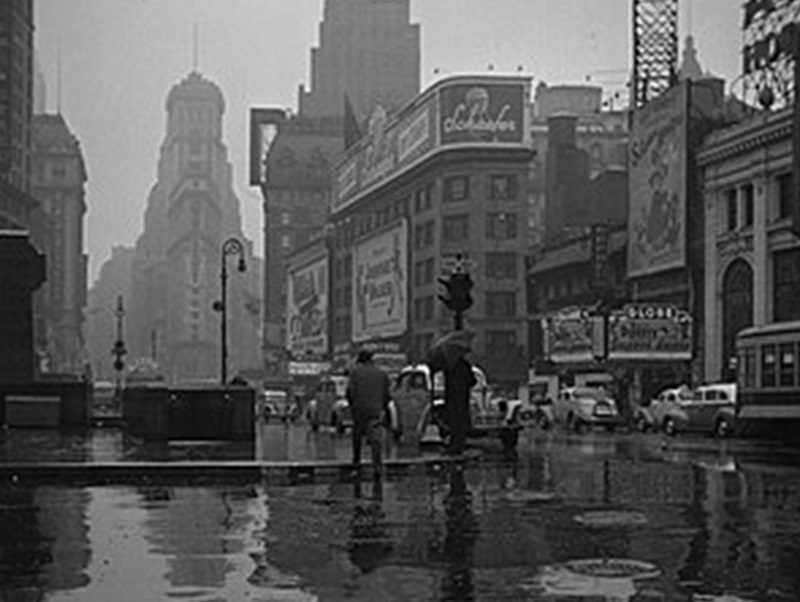
Johnny Broderick was more than a police officer; he was a legend. His exploits, including arrests of dangerous gangsters and thwarting prison escapes, made headlines and inspired Hollywood films. The fearless detective battling crime became a celebrated figure and won public adoration.
However, behind the heroic image lay a darker side. Broderick’s harsh tactics raised serious ethical concerns. Accusations of excessive force, corruption, and even bribery followed him throughout his career. Allegations of brutality against both criminals and innocents went unpunished. Despite being decorated for valor, Broderick’s legacy remains polarizing.
Personal Life of a Legendary Detective
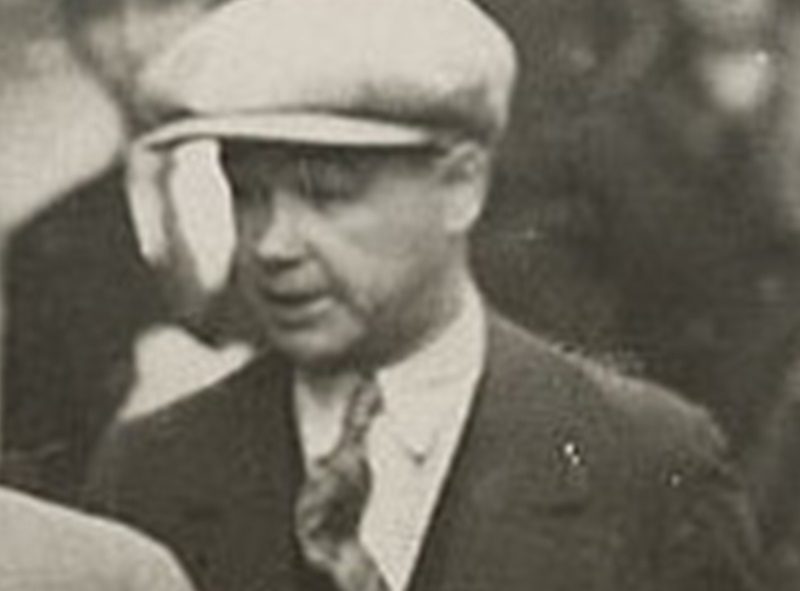
Standing 5’10” (177.8 cm) and weighing 170 lbs (77 kg), Broderick was known for his refined style, resembling the iconic dandy Beau Brummell. He led a disciplined lifestyle, abstaining from alcohol and tobacco, and maintained his fitness through daily gym workouts. Despite being demoted in 1934, Broderick lived lavishly, owning a Cadillac and a home in Jackson Heights, Queens. His lifestyle raised eyebrows, given his modest annual salary of $4,000, later reduced to $3,000.
A passionate boxing fan, Broderick was a regular at Madison Square Garden. At home, he enjoyed listening to his wife play the piano. The New York Times obituary described him as a sophisticated man who preferred luxurious monogrammed silk underwear. Despite his tough professional reputation, Broderick was known as a tender man off duty. He disapproved of how he was portrayed in the film Bullets or Ballots, where Edward G. Robinson’s character smoked and drank, habits Broderick avoided.
Life After Retirement
After retiring, Broderick sold his life story to RKO Pictures for $75,000. Journalist Herman J. Mankiewicz was set to write the script, and actor Robert Ryan was cast in the lead role. However, the film was never made. Over the years, there were plans for a television series and a musical based on his life, but none materialized.
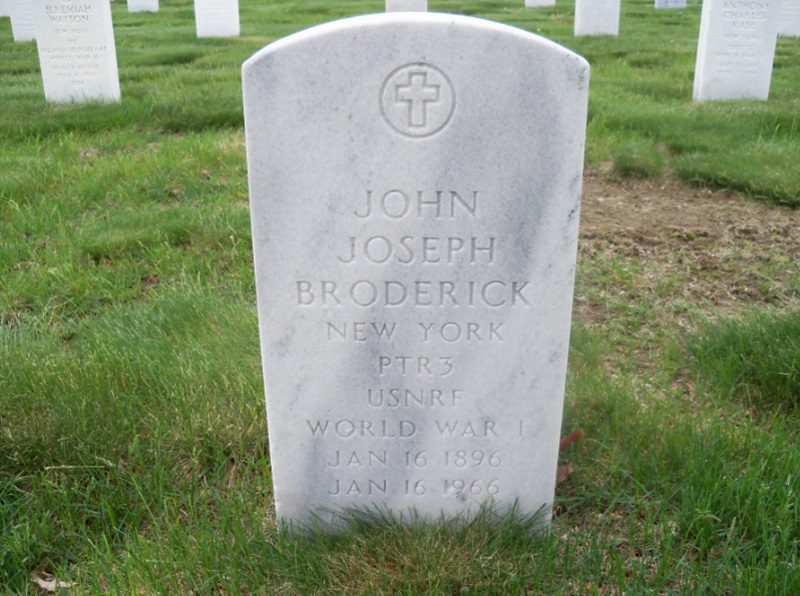
Broderick passed away from heart disease on his birthday at his farm in Middletown, New York, where he raised horses and dogs. He left behind his wife Marion, a daughter, three sisters, and nine grandchildren. Broderick was laid to rest at Pine Lawn Cemetery in Massapequa, Long Island. Some sources state he was married for 14 years and had two daughters, Margaret and Marion.
Allegations of Misconduct
Throughout his career, Broderick faced multiple allegations of brutality and corruption, particularly during his time with the Industrial Squad. The squad was accused of violence against strikers and extorting bribes. In 1926, the American Civil Liberties Union accused Broderick of assaulting workers at the Interborough Rapid Transit Company. Although he claimed self-defense, the number of injured reached 20.
Labor unions also accused the squad of attacking striking truck drivers and fur industry workers. In 1928, Broderick and his officers were accused of assaulting spectators at a Madison Square Garden cycling event. Despite serious allegations, press support helped him evade consequences.
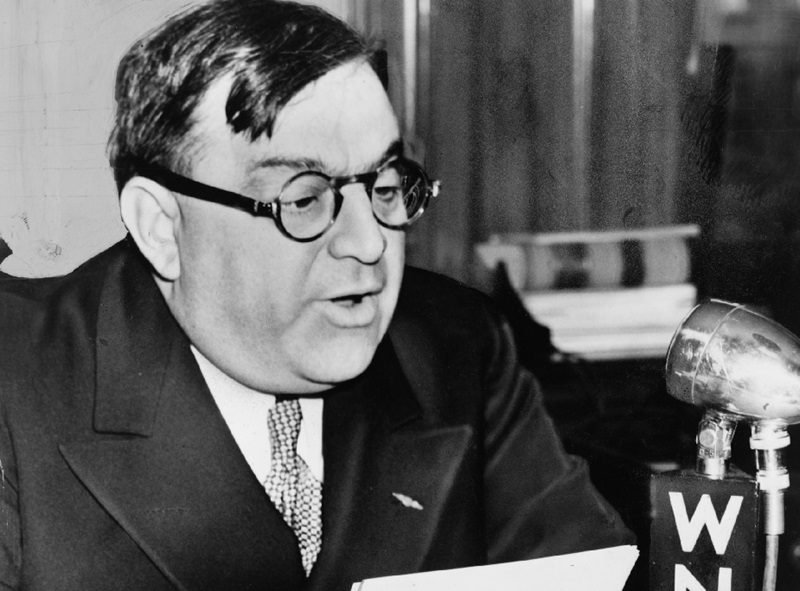
During the 1929 mayoral race, Fiorello La Guardia accused the Industrial Squad of inciting riots and extortion. Despite numerous accusations, Broderick faced few repercussions, and his career remained largely unscathed.
Controversial Retirement
In September 1946, Mayor William O’Dwyer unexpectedly appointed Broderick to a confidential role, sparking surprise within city government. After a few months, he was reassigned to headquarters and officially retired in July 1947.
In 1949, Broderick attempted to become a Democratic leader in Manhattan’s Broadway district. Rival Gerald V. Murphy accused him of ties to organized crime, forcing Broderick to leave the police force. Manhattan District Attorney Frank Hogan claimed Mayor O’Dwyer pressured Broderick to resign after learning of his interactions with gangster Owney Madden during a 1946 trip to Arkansas. Broderick denied the allegations, insisting the trip was coincidental and his association with criminals was part of his job. His bid for district leadership ultimately failed.
Legacy of a Controversial Figure
Johnny Broderick undeniably left a lasting impact on the history of the NYPD. His tough approach to crime-fighting, while effective in the short term, faced harsh criticism in later decades. As civil rights movements and public awareness grew, such methods became widely regarded as unacceptable.
Broderick’s reputation, however, remained influential in certain circles. Broadway performers, fearing gangster threats, saw him as a protector. His image as an invincible crime-fighter was shaped by glowing celebrity testimonials.
Modern historians, such as Thomas A. Reppetto, offer a balanced view of Broderick’s career. They argue that his invulnerability to gangsters was a myth perpetuated by the media. In reality, Broderick faced attacks from criminals multiple times. His true power lay in the legal authority he wielded, which gangsters lacked.
In the 21st century, Johnny Broderick evokes mixed feelings. He was a fearless crime-fighter who defended the vulnerable but used brutal and often unlawful methods.